× Send

High-Performance Greenhouse Design & Engineering

At Ceres, greenhouse design is the foundation of everything we build. Every successful greenhouse begins with understanding how climate, solar gain, airflow, humidity, energy systems, and plant requirements interact as one complete environmental system.

Whether you are planning a commercial greenhouse, research greenhouse, institutional growing facility, or custom controlled-environment project, our team helps optimize greenhouse performance before construction even begins.

greenhouse for sale- HighYield Kit
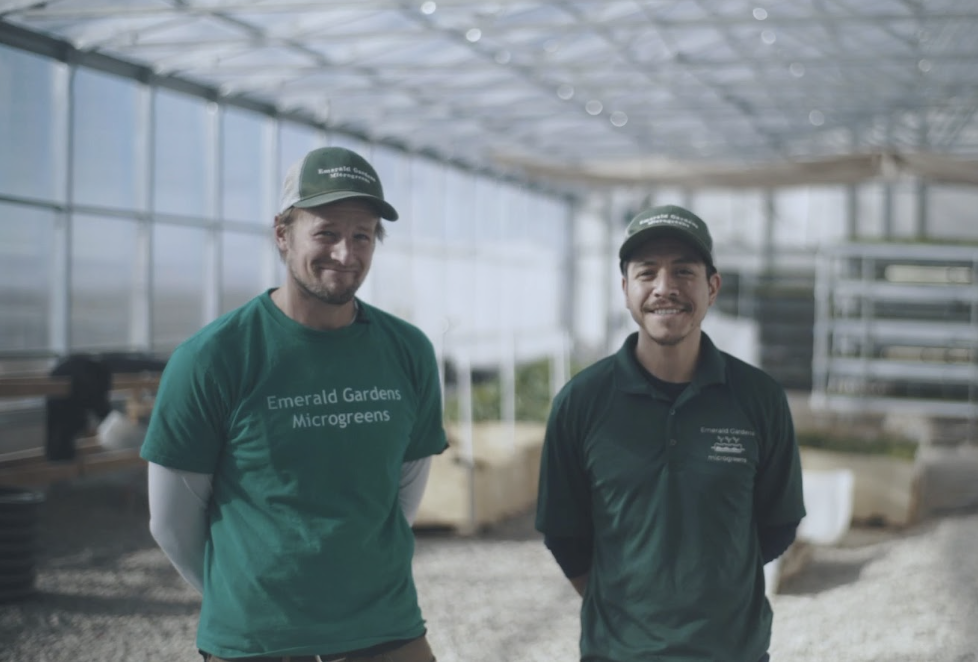
Roberto Meza- Emerald Gardens

Find the Right Greenhouse for Your Application

Every greenhouse project has different operational, environmental, and crop requirements. Finding the right greenhouse starts with understanding your goals, climate conditions, growing strategy, and performance expectations.

Our team works closely with clients to determine the best greenhouse solution for their application, including:

Commercial Growers

Crop/Seed Research
School and Universities
Community food systems
Residential properties

Start your greenhouse planning by seeing how past clients have chosen to use their greenhouses.

→View Our Case Studies

An Integrated Approach to Greenhouse Engineering

Greenhouse systems are highly interconnected. Every project requires a carefully integrated design approach that balances competing demands across climate, structure, and operations, so every system works together as a complete environmental solution.

What we balance

  • Climate conditions
  • Crop requirements
  • Energy performance
  • Ventilation
  • Solar exposure
  • Humidity control
  • Structural considerations
  • Operational goals

What we help you decide

  • Greenhouse structure types
  • Glazing systems
  • Environmental controls
  • Ventilation strategies
  • Heating and cooling systems
  • Supplemental lighting
  • Energy efficiency goals
  • Sustainability and electrification strategies

Our greenhouse engineering process ensures every system works together, nothing is designed in isolation and nothing is left to chance. 

What Type of Greenhouse Are You Looking For?

Greenhouse Comparison

Greenhouse comparison

HighYield™ Kits
Greenhouse kits for scalable growing
Scale / Size
Small – medium commercial
Best use case
Scalable production for growing commercial operations
Expandability
Scalable
Learn more →
Gutter Connected
Efficient layouts for very large operations
Scale / Size
Very large commercial
Best use case
High-volume, land-efficient large-scale production
Expandability
Highly expandable
Learn more →
Commercial Modular Kits
Expandable systems for biosecure operations
Scale / Size
Medium – large commercial
Best use case
Phased buildouts and biosecure controlled environments
Expandability
Modular / phased
Learn more →
Barn Kits
Multi-use structures with growing plus utility
Scale / Size
Small – medium
Best use case
Combined growing and storage or utility in one structure
Expandability
Limited
Learn more →
DIY Kits
Residential building plans
Scale / Size
Residential / small
Best use case
Home growers building their own backyard greenhouse
Expandability
Fixed plan
Learn more →

Learn about the specs for each type and style of greenhouse

→Access our brochures

greenhouse design plans

Why Greenhouse Design Matters

Greenhouses are uniquely complex environments because nearly every system affects every other system.

Solar gain impacts cooling demand. Ventilation affects humidity. Glazing selection changes thermal performance. Shade systems influence both plant growth and energy use. Small design decisions can dramatically affect environmental control, operating costs, and crop performance.

Our process uses integrated environmental analysis and greenhouse engineering to evaluate how a greenhouse will actually perform throughout the year under real climate conditions.

By understanding these factors early in design, we help clients avoid costly oversizing, underperformance, and operational inefficiencies later.

Our Greenhouse Design Process

Successful greenhouse projects require a structured and collaborative design approach. Our greenhouse design process helps align environmental performance, operational goals, and engineering systems from the earliest planning stages through final implementation.

Our process typically includes:

1. Conceptual Design

2. Schematic Design

3. Design Development

4. Construction Documents

5. Bid Process/Permitting

6. Construction Administration (CA)

greenhouse design services- schematic design

Why Ceres Greenhouses?

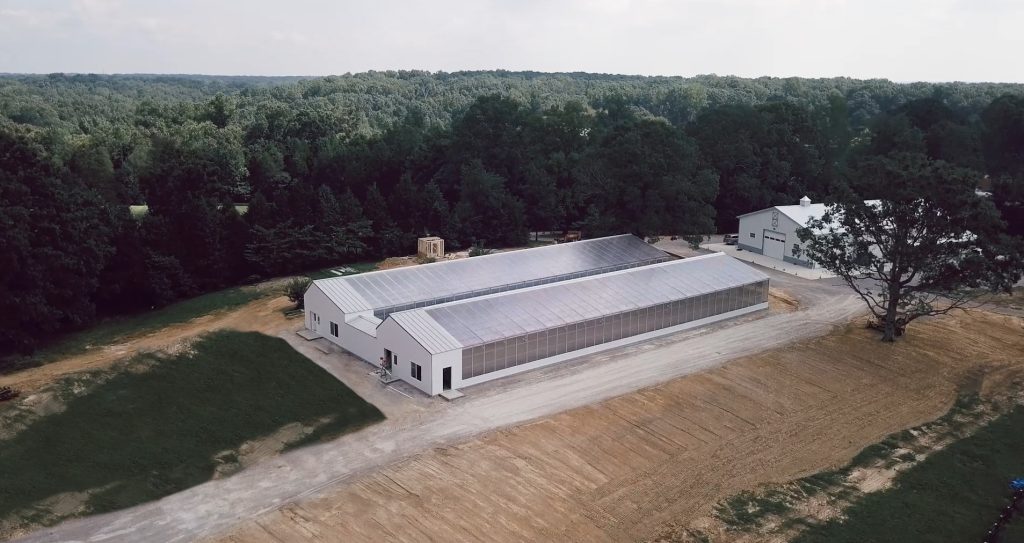
commercial modular greenhouse- large scale commercial greenhouse

The Ceres Approach

Unlike traditional greenhouse manufacturers that produce their own steel and rely on rigid, one-size-fits-all designs, Ceres takes a different approach to greenhouse design. By sourcing the best materials rather than manufacturing them in-house, we’re able to design fully custom greenhouses tailored to your specific goals. Our turnkey process ensures your greenhouse system is designed around your crops, equipment, and workflow—resulting in a more efficient and scalable solution any operation. 

The Design

We design and engineer high-performance greenhouses that create stable growing environments, improve operational efficiency, reduce energy demand, and support long-term crop success. From research facilities to commercial growing environments, our approach combines greenhouse expertise with advanced environmental modeling and building science.

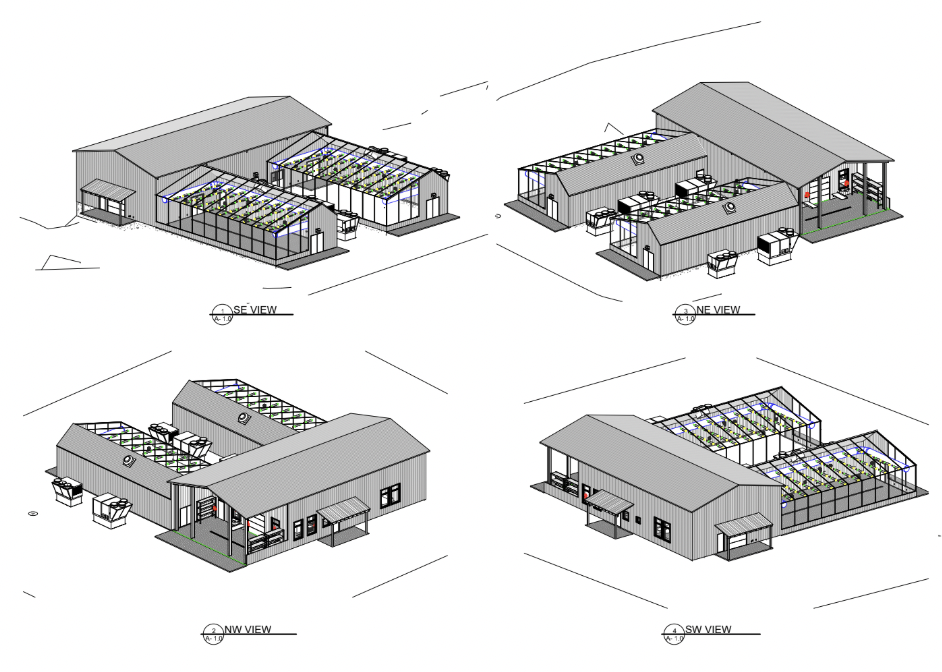
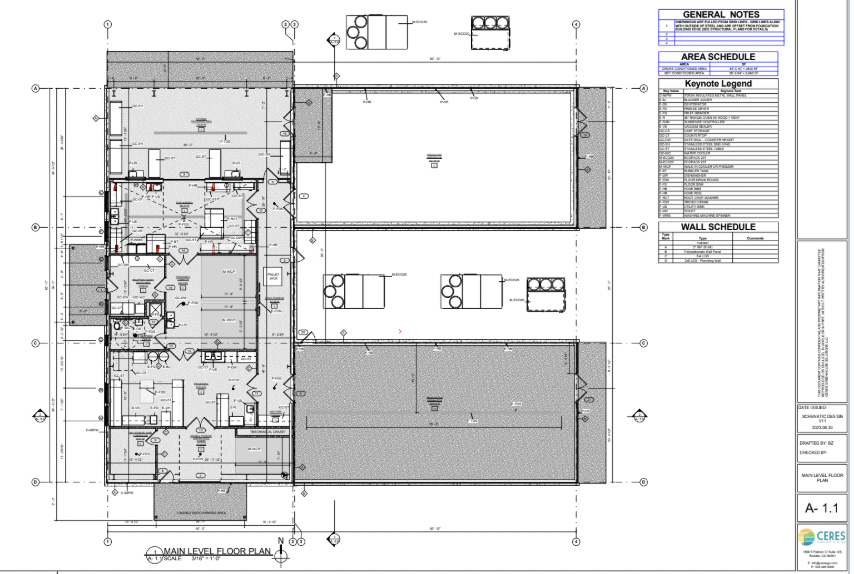
greenhouse layout- blueprint design

Design Technology

Advanced Greenhouse Simulation with IESVE

Ceres uses IESVE (Integrated Environmental Solutions Virtual Environment), an advanced building performance simulation platform, to model and optimize greenhouse environments using real climate data, solar analysis, airflow behavior, and mechanical system performance.

Unlike simplified sizing tools, IESVE allows us to simulate how greenhouse systems interact dynamically throughout the year. This helps improve environmental control strategies, optimize energy performance, and support better growing conditions before construction begins.

IESVE Capabilities Section

Modeling capabilities

Dynamic thermal simulation
HVAC system simulation
Natural ventilation modeling
CFD airflow analysis
Solar & shading studies
Humidity analysis
Daylighting analysis
Sustainability & electrification
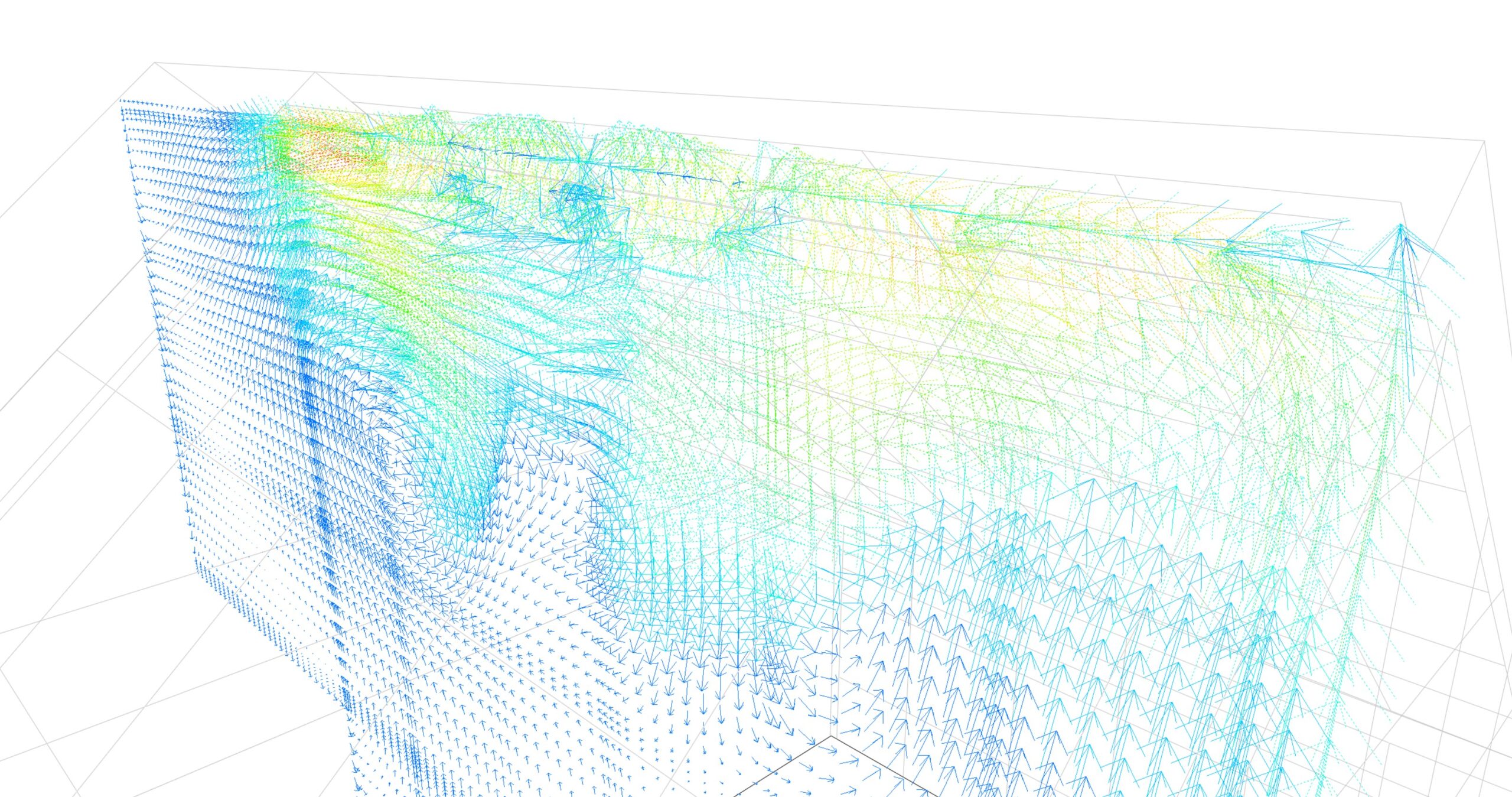
CFD airflow simulation showing velocity vectors across a greenhouse model

Advanced modeling capabilities for high-performance greenhouses

Learn how simulation-driven design improves greenhouse performance.

Read our IESVE greenhouse modeling article
Let’s Design Your Greenhouse

Whether you are planning a commercial greenhouse, research facility, educational greenhouse, or controlled-environment agriculture project, our team can help you design a greenhouse optimized for your climate, crops, and operational goals.

Ready to start your greenhouse project?

→Contact Ceres 

Access All Greenhouse Related Brochures

Get detailed specs, design options and more inside
greenhouse catalog cover

By clicking the button above, you agree to receive emails from Ceresgs.com. Unsubscribe at any time.

See Ceres in Action

Check Out Our Past Projects

Calculate Your Energy Savings

Find out how much you can save with Ceres Greenhouses compared to other greenhouses.

Calculate Your Energy Savings Image

Ceres Greenhouse Options

Greenhouse FAQ

Because every greenhouse is custom-designed to match your climate, location, and production goals, we provide custom pricing for all of our energy-efficient commercial greenhouse systems.

As a general estimate, a 3,000 sq ft modular HighYield™ Kit greenhouse typically costs $58–$68 per square foot. This includes the core greenhouse structure, steel frame, insulated metal panels, glazing, and SunSense™ environmental controller.

For a fully integrated vented HighYield™ commercial greenhouse, pricing generally ranges from $95–$130 per square foot. This includes all structural components plus advanced systems such as evaporative cooling, GAHT® (ground-to-air heat transfer), heating, dehumidification, LED grow lighting, irrigation systems, and complete engineering and construction documentation.

Final greenhouse costs will vary depending on site conditions, system complexity, and customization requirements.

Please reach out for a custom quote

The size of your greenhouse will depend on many factors including:

  • budget
  • crop(s) 
  • site location

We offer many modular greenhouse solutions so that you can start small and add on later.

Reach out and we can determine the most appropriate size greenhouse for your needs.

We recommend a full footer and stem wall around the entire perimeter of our greenhouses to allow for foundation insulation and rodent protection. We have the ability to design, engineer, and stamp the foundation plans with our greenhouse kits. We can also coordinate with your architect if you are working with one to design the foundation. 

It is important to place footings below your frost line depth so that the frozen soil can’t shift or uplift the footings. Our clients can provide us their local frost depth or our structural engineers can look into it based on the greenhouse building site location and soil reports. 

We don’t recommend putting a Ceres greenhouse on an existing foundation for a couple of reasons. The sizing and dimensions of the foundation might not align exactly to the structural dimensions. This is also important for the placement of doors. We design a specific foundation for our steel structure to sit on top of. If you have an existing foundation and concrete slab, the GAHT® system cannot sit directly underneath the greenhouse floor. If you have an existing greenhouse we can design an external GAHT® system which sits adjacently to the greenhouse. However, for structural reasons and longevity, an existing foundation and concrete slab is not ideal for a new greenhouse build. 

The flooring is a decision that the client can make. Common flooring types for a greenhouse include a concrete slab, pavers, gravel, or the soil as the floor. Concrete slabs are durable and should be designed with floor drains. Concrete slabs can also support the weight of rolling benches while also making it easier to maneuver equipment around the greenhouse. Another common flooring type for our clients is a soil floor. With a soil floor, you can grow directly into the soil rather than raised beds or pots. This allows for better nutrient access and the ability to grow larger crops such as fruit trees. While there are many options, we can also recommend a flooring type if you do not know what is best for your growing goals, greenhouse layout, and desired functionality. 

No, concrete flooring is not necessary for every greenhouse operation, however, there are certain things you should consider when deciding if a concrete slab is a good option for your greenhouse or not. A concrete floor is a great option for large commercial operations as it is easier to clean, support carts and machinery,, allows for floor drains to manage runoff, and provides thermal mass.

Tell us about your operational goals and we’ll recommend the right greenhouse system

Tell Us About Your Project