Residential Greenhouses for Year-Round Growing
For homeowners who are serious about food production, sustainability, and long-term resilience, a greenhouse can be much more than a backyard garden structure. A thoughtfully designed residential greenhouse can provide fresh produce throughout the year, extend growing seasons indefinitely, and become an integral part of a sustainable lifestyle.
At Ceres, we design and build high-performance greenhouses that help homeowners grow more food while using less energy. Unlike conventional hobby greenhouses that struggle with extreme temperatures and high operating costs, Ceres greenhouses are engineered for year-round production using passive solar design principles and proven climate-control technologies.
Whether your goal is food independence, homesteading, educational opportunities for your family, or simply enjoying fresh produce in every season, a well-designed greenhouse can transform the way you grow.
Is a Ceres Greenhouse Right for You?
Our residential greenhouses are designed for homeowners who want more than a seasonal growing space.
They are ideal for:
- Year-round food production
- Homesteads and hobby farms
- Sustainability-focused households
- Cold-climate growing
- High-end residential properties
- Families seeking greater food security
If you’re looking for a simple seasonal greenhouse or an inexpensive hobby structure, a Ceres greenhouse may not be the right fit. Our residential solutions are designed for homeowners who are committed to year-round growing and are seeking a durable, high-performance greenhouse built for decades of use.
→ Alternatively, check out our DIY greenhouses if you would like to save money or “do-it-yourself”
What Makes a Greenhouse Truly Productive Year-Round?
Many residential greenhouses perform well in spring and fall but struggle during the hottest and coldest parts of the year. Maintaining stable temperatures often requires significant heating and cooling costs.
By combining passive solar greenhouse design with advanced environmental control strategies, we help growers maintain more stable growing conditions while reducing energy consumption.
Climate Battery Technology
Our Ground-to-Air Heat Transfer (GAHT®) system stores excess heat underground and releases it when temperatures drop, helping to stabilize greenhouse temperatures naturally.
Intelligent Climate Management
Integrated technologies such as the SunSense™ and help optimize growing conditions while minimizing energy and water use.
Benefits of a Residential Greenhouse
Grow Food Every Month of the Year
A properly designed greenhouse extends growing seasons and allows many crops to be produced even during winter months.
Reduce Grocery Dependence
Growing your own produce can help reduce reliance on supply chains while providing access to fresher, higher-quality food.
Improve Sustainability
Passive solar greenhouse design can significantly reduce energy requirements compared to conventional greenhouse systems.
Create a Living Educational Space
Many families use their greenhouse as a hands-on learning environment for children and grandchildren.
Increase Property Value and Utility
A well-designed greenhouse can become one of the most unique and functional structures on a property.
Residential Greenhouse Options
Every homeowner’s goals are different. We offer several pathways to help you build the right greenhouse for your needs.
Backyard Greenhouse Kits
Designed for homeowners seeking a complete greenhouse solution with professional engineering and proven performance.
→Learn more about BackYard Greenhouse Kits
HighYield™ Greenhouses
For growers who want larger growing capacity and increased production potential.
→Explore HighYield™ Greenhouses
DIY Greenhouse Plans
For experienced builders who want to construct their own greenhouse while leveraging Ceres design expertise.
Vesta™ Greenhouse Homes
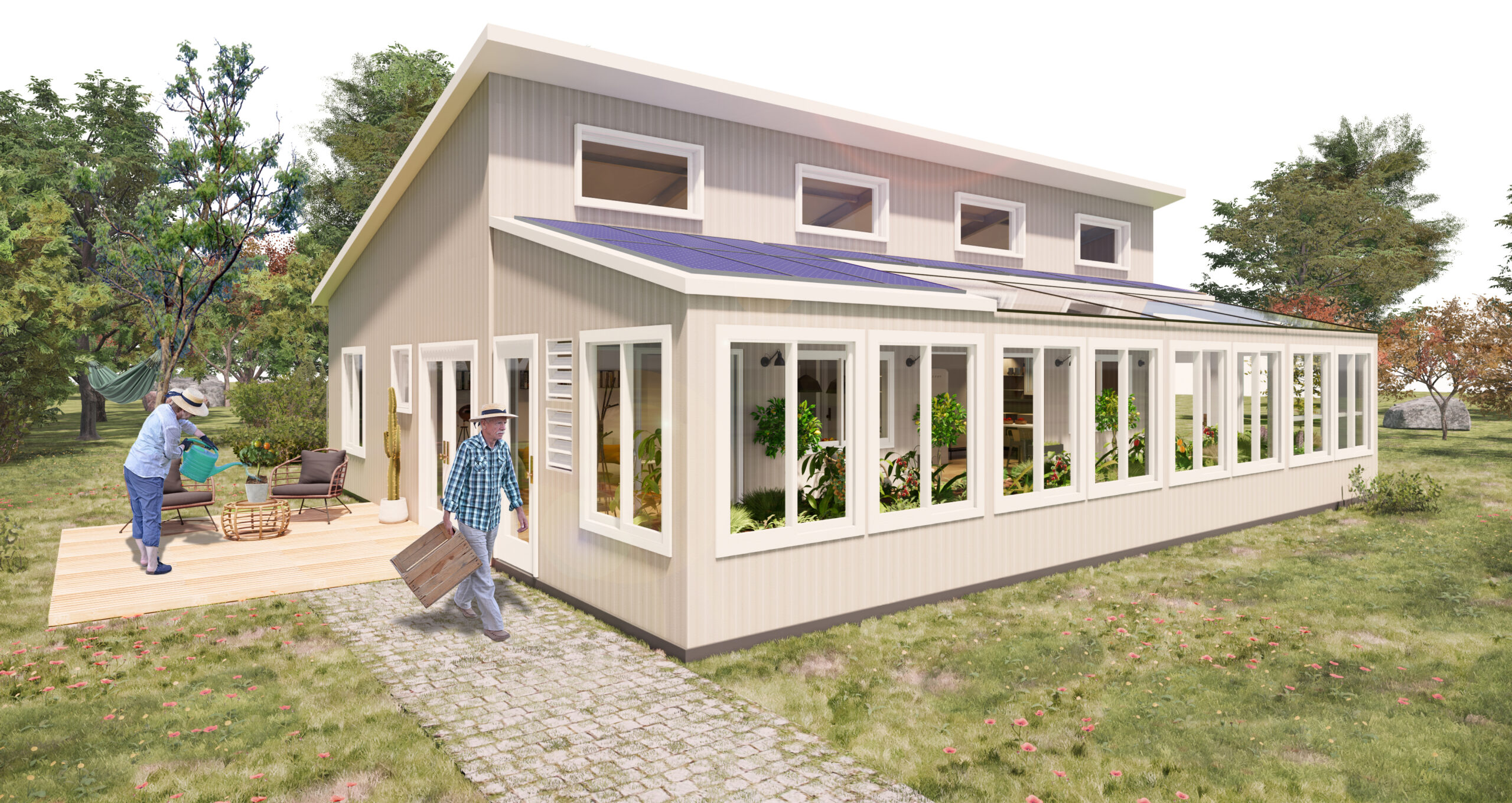
A unique approach that integrates greenhouse living and residential design into a single sustainable concept.
Residential Greenhouse Costs
The cost of a greenhouse depends on factors such as size, glazing systems, environmental controls, site conditions, and project goals.
When evaluating greenhouse costs, it is important to consider:
- Year-round performance
- Energy efficiency
- Durability
- Crop production potential
- Long-term operating costs
Our team can help determine which solution best aligns with your goals and budget.
Residential Greenhouse Projects
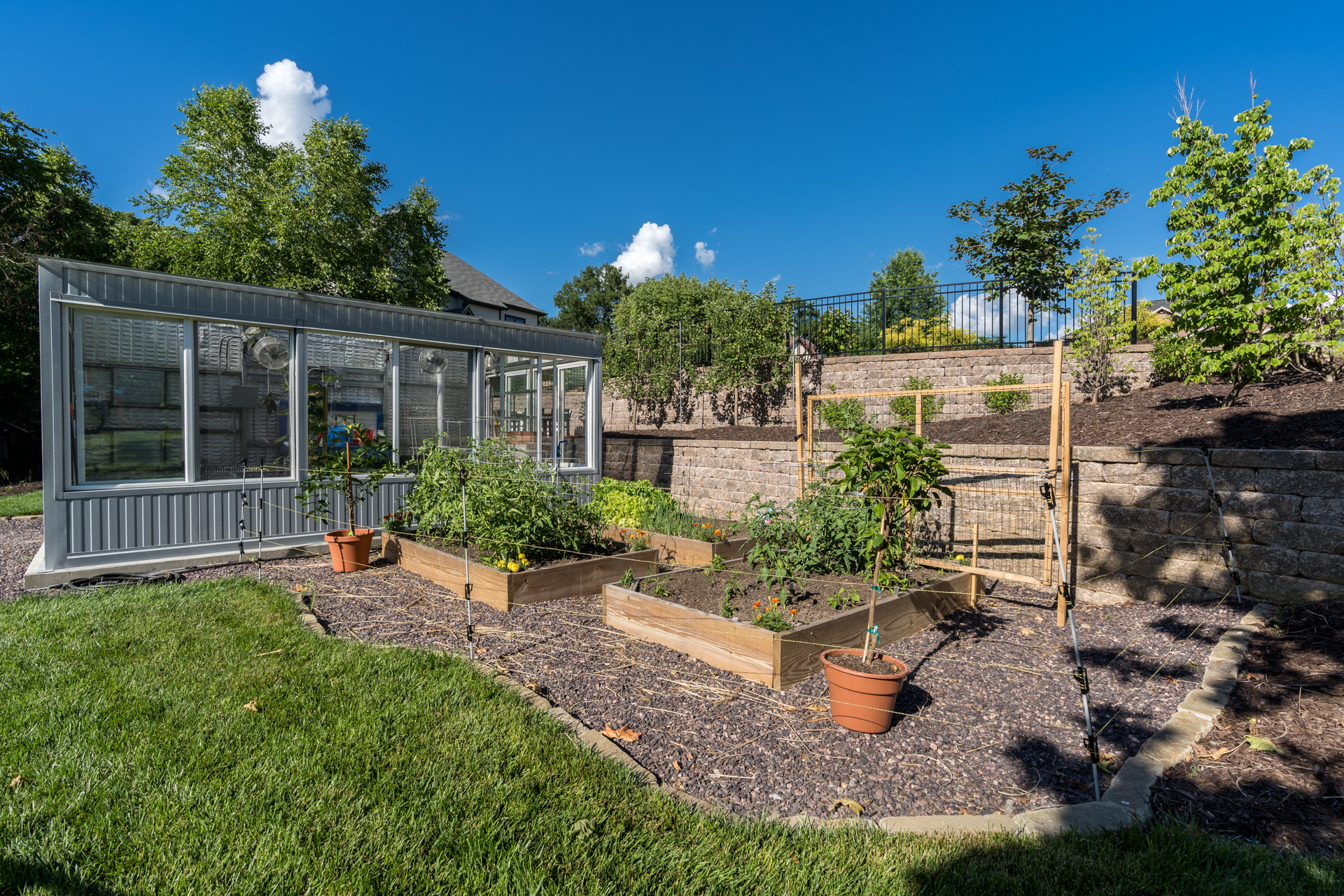
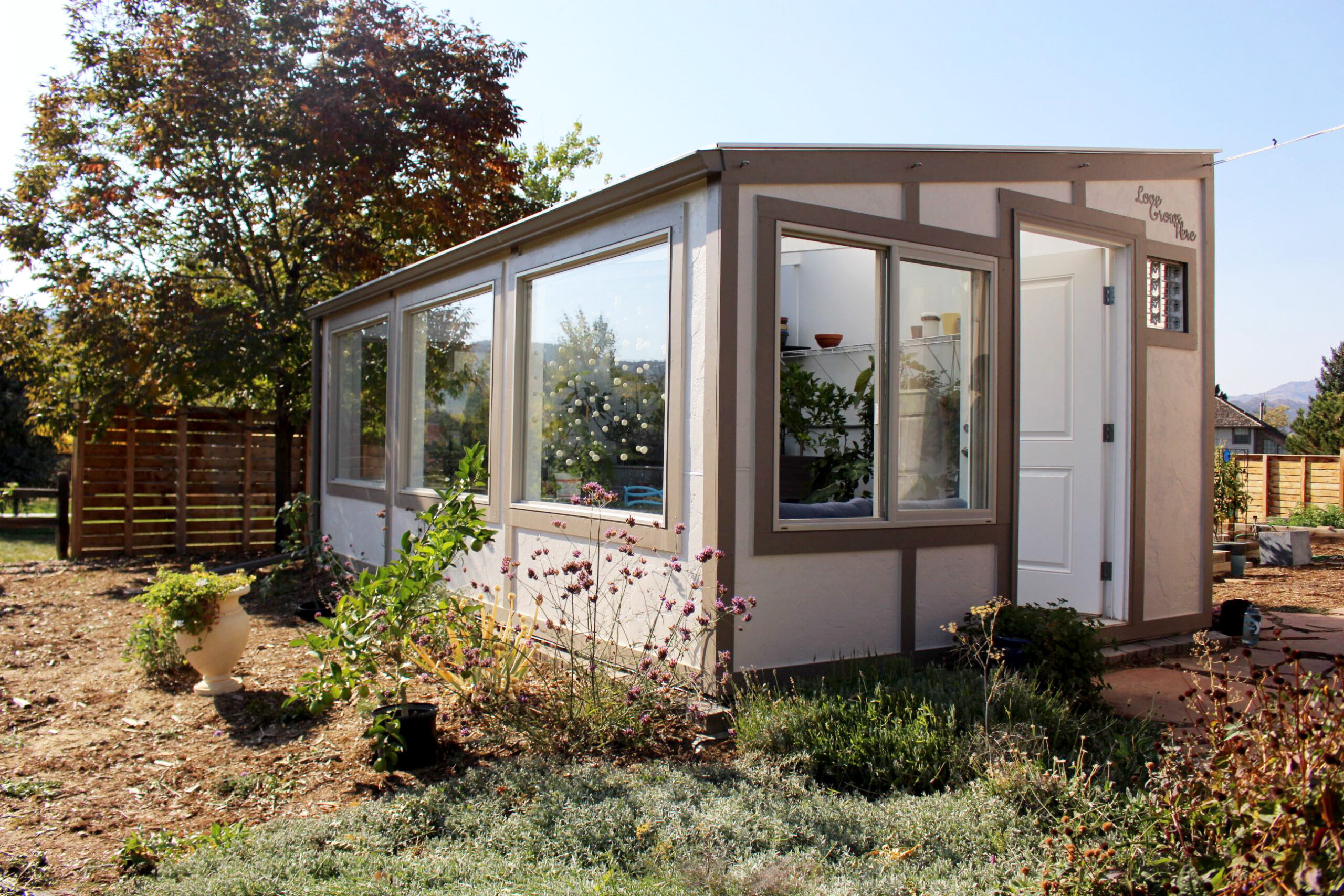
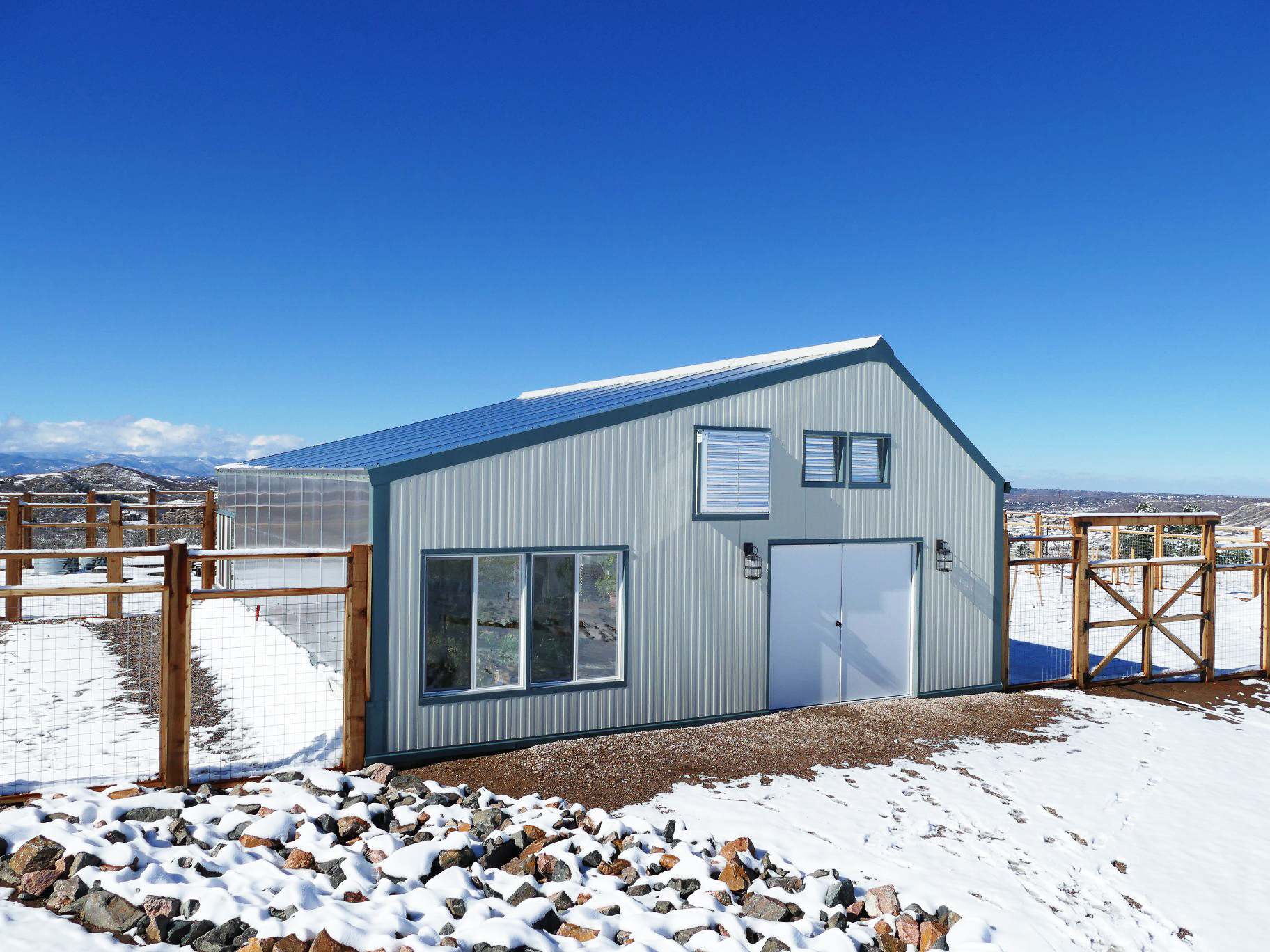
Homeowners are using Ceres greenhouses to grow food, reduce energy consumption, and create more resilient lifestyles. Explore our residential greenhouse projects to see how growers are using passive solar design and climate battery technology to achieve year-round production.
Related Residential Videos:
Access Residential Greenhouse Related Brochures
By clicking the button above, you agree to receive emails from Ceresgs.com. Unsubscribe at any time.
Residential Greenhouse FAQs
The cost of a year round greenhouse depends on a lot of things, primarily the size, which systems you decide to include, and who builds it. To give you a general idea, some growers use recycled materials and do all the work themselves and spend as little as a few hundred dollars for a residential solar greenhouse (for those using DIY plans). Growers who opt for a BackYard Kit might spend around US$50-60k, which includes the galvanized steel frame, insulated metal panels, triple layer polycarbonate glazing, entryway door, and a SunSense™ controller.
This varies greatly by location, and what you are trying to grow. In areas with mild winters, passive solar greenhouses can grow year-round without any back-up heating. Greenhouses in cold areas can even grow very hardy crops year-round without heating. However, to grow a wider variety of crops, in most cold climates an energy-efficient greenhouse will require some back-up heating. This is usually turned on during a few very cold nights a year — the extreme cold snaps — when a GAHT® system, thermal mass, or phase change material is not sufficient to keep temperatures high enough.
Residential growers typically add an electric heater for the coldest times of the year. We can help you integrate a back-up heater when designing your commercial greenhouse.
At this time, we are not designing custom residential greenhouses. However, if an attached greenhouse is a preferable option and you do not have a house yet, consider opting for our Vesta™ house kit, which is a pre fab house/greenhouse kit.
Currently,
18’x24′ US$68,277
18’x30′ US$73,930
18’x36′ US$79,584
*Base kit= galvanized steel frame, 2″ insulated metal panels, 16mm, triple layer polycarbonate on the south wall and roof, entryway door and a SunSense™ controller.
Shipping is estimated at 20%-25% of total materials costs (excluding applicable taxes). There are a variety of colors available for the BackYard Kit as well as additional upgrades and climate control options you can choose from. BackYard kits are engineered to individual wind and snow loads.
Please contact us for more information, as prices are subject to change.
Plans, available in several sizes up to a 12’x24′, can be purchased from our web store for US$950 and include all you need to construct your greenhouse with our support throughout the process. While building and labor costs vary greatly based on your geographic location, should you choose to hand this project off to a local builder, we estimate around US$150 sq/ft for all materials (both greenhouse and GAHT®) and labor.
This depends on what type of systems you want to use for growing, and controlling the greenhouse environment. Typically, our residential greenhouse growers install electricity in the greenhouse to run fans and lights, automated with our SunSense™ controller. These have a very small power draw but do require electrical hook-up.
One option is to install a solar panel system to run the electrical components.
You can also build a completely passive solar greenhouse – one that does not use any electrical components. For this we recommend using passive solar vent openers to provide automated ventilation. There are several pros and cons to building a passive solar greenhouse vs. an active one. Much more information on solar panel systems and passive solar greenhouse is in our book, The Year-Round Solar Greenhouse as well as “Integrating Solar Panels into the Greenhouse.”
With little sunlight and temperatures dropping below freezing, our residential growers most often have to rely on a supplemental heating source; such as propane, natural gas or electric heating sources.
How residential growers fare is also largely dependent on what the residents are growing. For example, for our residents growing leafy greens and more frost tolerant crops in places such as Boulder, CO and Wisconsin the GAHT® is able to maintain temperatures from as low as 27F degrees to low 40s. When it comes to growing figs or tomatoes, on the other hand, one might try keeping an electric heater running in the evenings, and mornings when there is little sun.
Yes. Many of our customers successfully grow produce throughout the year, including in cold climates. Crop selection, climate, and greenhouse design all influence performance.
In many climates, passive solar design and climate battery systems significantly reduce heating requirements. Some projects may still utilize supplemental heat depending on local conditions and growing goals.
The ideal size depends on your goals, household size, crop selection, and available space. Our team can help evaluate the right solution.
Start Planning Your Residential Greenhouse
Building a greenhouse is an investment in food production, sustainability, and long-term resilience. Whether you’re interested in a greenhouse kit, a custom design, or a fully integrated greenhouse home, our team can help you explore the possibilities.
→Schedule a consultation with Ceres Greenhouse Solutions today