There is something uniquely appealing about dining beneath a canopy of glass while rain traces patterns overhead, or working in a sun-drenched conservatory where the boundary between inside and outside simply dissolves. As cities grow denser and screens compete more aggressively for our attention, a counter-movement is taking shape in the built environment, one that draws people back toward light, greenery, and the rhythms of the natural world. Glasshouse architecture sits at the heart of this shift, transforming restaurants, hotels, workspaces, and public spaces into something more than buildings. They become experiences.
This is not a passing trend. It is the convergence of biophilic architecture, advances in glazing technology, and a deep and well-documented human need for connection with nature. The glasshouse, once the exclusive domain of botanical gardens and Victorian estates, is becoming a more popular building typology, and its influence on indoor-outdoor architecture is only growing.
What is biophilic architecture? Learn here
The Rise of Glasshouse Architecture
Long before steel and concrete reshaped our skylines, glass was already pushing the limits of what a building could be. The great iron-and-glass structures of the 19th century – Joseph Paxton’s Crystal Palace in London (1851), the Palm House at Kew Gardens, the Grand Palais in Paris – announced a new ambition: to enclose vast, light-filled spaces that felt anything but enclosed.
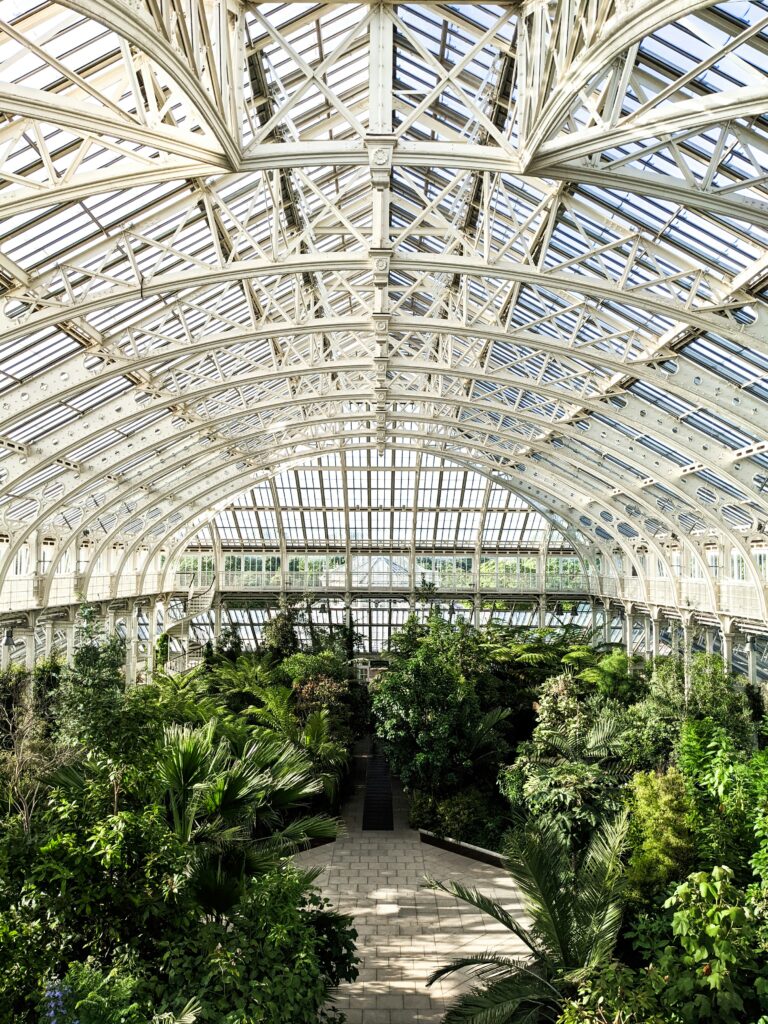
These early greenhouse architecture precedents were built for spectacle and for plants. The Victorian greenhouse was a feat of horticultural engineering, designed to maintain the microclimates that exotic flora demanded. But architects quickly recognised that what worked for orchids and palms worked for people too. Natural light, visual connection to the outdoors, and the sense of shelter without confinement proved to be profoundly appealing.
What has changed in the 21st century is not the desire to build with glass, but our ability to do so intelligently. Modern glasshouse architecture is no longer just a transparent box. It’s a thermally sophisticated, ecologically integrated structure that responds dynamically to sun, wind, and season. The greenhouse has become an introduction to what is possible beyond the botanical garden.
Why People Crave Indoor-Outdoor Spaces
The appeal of indoor-outdoor architecture is not merely aesthetic. It is rooted in biology.
Urbanisation has fundamentally altered the human relationship with the natural world. For the first time in history, the majority of the global population lives in cities, and for many urban dwellers, meaningful daily contact with nature has become the exception rather than the norm. The consequences are measurable. Research consistently links low nature exposure to elevated stress, reduced cognitive performance, and poorer mental health outcomes.
Biophilic architecture offers an evidence-based response to this disconnection. By embedding natural elements, processes, and patterns into the built environment, biophilic architecture reconnects occupants with the natural world in ways that are both immediate and lasting. Studies show that access to natural light improves sleep quality and circadian rhythm regulation. Views of vegetation reduce cortisol levels. The presence of plants in interior spaces is associated with improved mood and productivity. Even the sound of water or the variation of dappled light can have measurable calming effects.
Glasshouse architecture delivers these benefits at scale. Unlike a potted plant in a corner or a skylight in a ceiling, a well-designed glass pavilion immerses occupants in natural light, surrounds them with vegetation, and frames views of the sky and landscape. It creates an environment that is simultaneously sheltered and open, a quality that resonates deeply with how humans have always preferred to inhabit space.
There is also a social dimension. The transparency and lightness of glass structures communicate openness and welcome. They draw people in visually before they even step through the door. In a hospitality context, that first impression is extraordinarily powerful.
Where Glasshouse Architecture Is Showing Up
The glasshouse aesthetic has migrated across virtually every sector of the built environment, and in each context it finds a slightly different expression.
Restaurants
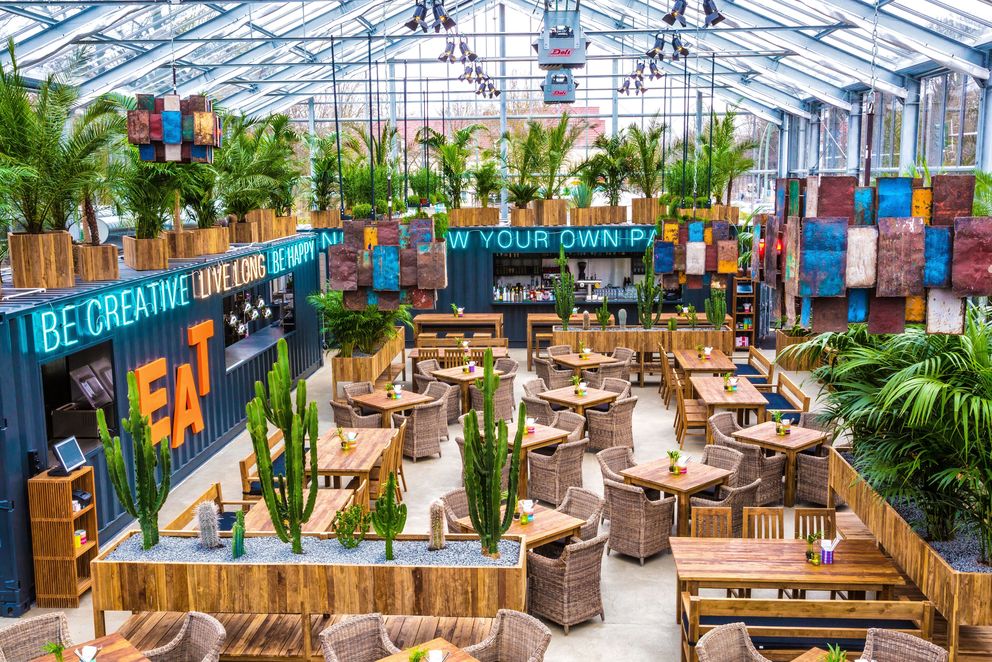
Greenhouse restaurant design has become one of the most sought-after hospitality experiences. From intimate garden restaurants nestled within urban courtyards to expansive glass pavilions set in open countryside, the format speaks to a desire for meals that feel both special and grounded. In a well-executed greenhouse restaurant design, diners are surrounded by vegetation, washed in natural light, and connected to the changing moods of weather and season. The experience is theatrical without feeling forced, and usually, the menu reflects what is growing in the surrounding beds.
Hotels
The hotel sector has embraced glasshouse architecture with particular enthusiasm. Botanical atriums, soaring glass-roofed interior gardens that serve as the heart of a property, have become a signature feature of destination hotels worldwide. Glass dining pavilions set within hotel grounds offer guests the sensation of eating in the open air while remaining sheltered from the elements. Spa and wellness facilities have followed suit, with glass structures that bring the landscape directly into the treatment experience.
Workspaces
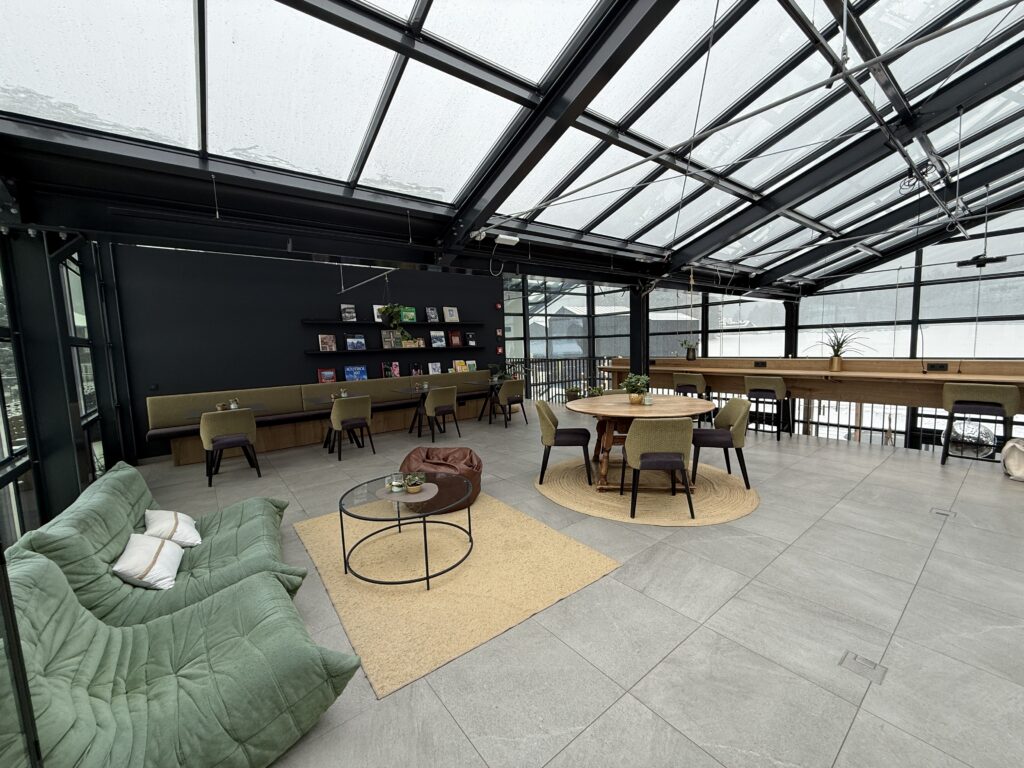
Light-filled, plant-rich environments have been shown to improve focus and reduce the fatigue associated with long hours under artificial lighting. For companies competing to attract talent, an office conservatory informed by biophilic architecture principles is a powerful signal, a commitment to the well-being of the people who work there.
Public Architecture
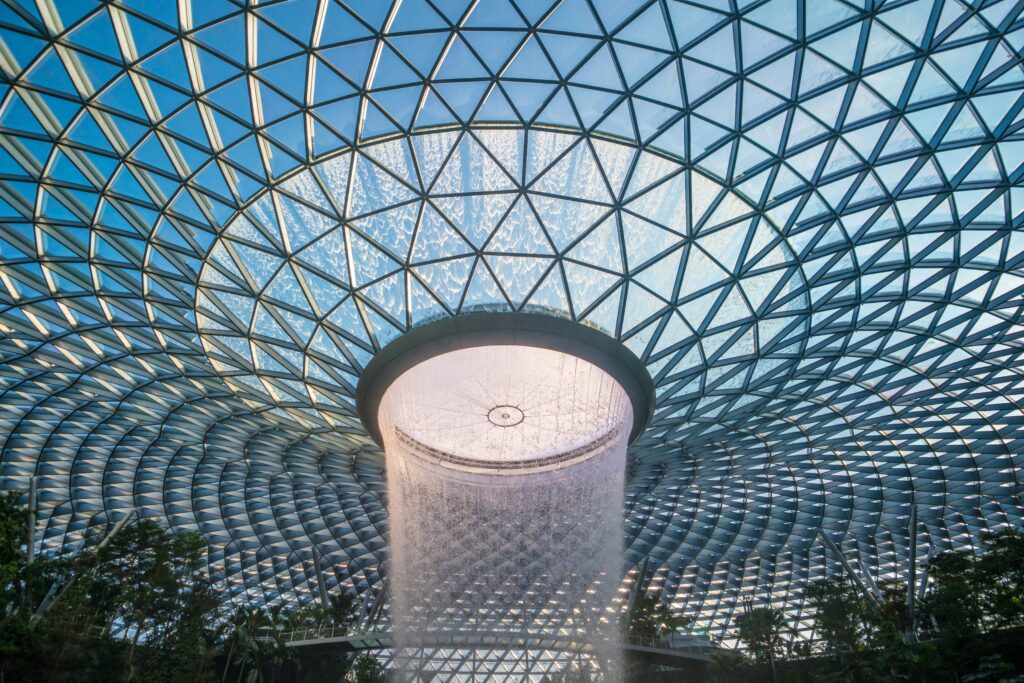
Beyond commercial and hospitality uses, glasshouse and greenhouse architecture continues to define some of the world’s most beloved public spaces. Contemporary botanical gardens, from the Eden Project in Cornwall to the Jewel at Changi Airport in Singapore, demonstrate the extraordinary scale the typology can achieve. Event venues encased in glass have become destination spaces for weddings, exhibitions, and cultural gatherings. Public libraries, museums, and civic buildings are increasingly incorporating glass pavilions and conservatory wings that invite the city in and dissolve the boundary between indoor and outdoor experience.
The Technology Behind Modern Glasshouses
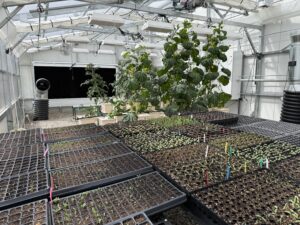
One of the most important distinctions of glasshouse design is that the spaces, unlike greenhouses, are designed for people. While many of the aspects of the two typologies are similar, there are some major differences in glasshouse designs and materials that help them morph into something more than just a greenhouse.
Structure: The Case for Thermally Broken Frames
One of the most significant advances in modern glasshouse design is the adoption of thermally broken aluminium framing for the glass facade of the structures. Thermally broken what…?
In a conventional greenhouse, the metal structure conducts temperature freely between the interior and exterior, so on a cold day, the frame itself becomes a conduit for heat loss, chilling the space and generating significant condensation on surfaces. For plants, this is manageable. For people trying to enjoy a meal or a meeting, it is not.
Thermal breaks are low-conductivity inserts within aluminium framing profiles that interrupt conductive heat transfer between a building’s interior and exterior envelope. Thermal breaks stop the transfer of the cold from outside to inside, helping to maintain a more comfortable temperature and reducing condensation significantly.
Thermally broken profiles are a cornerstone of glasshouse design, and one of the clearest examples of how people-first thinking changes the technical specification.
Glazing: More Than Just Transparency
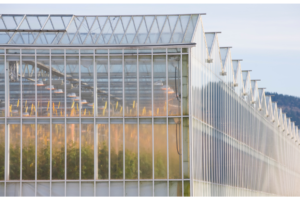
In a greenhouse, glazing (the clear part) is optimised almost entirely for light transmission, the more, the better. In glasshouse architecture, because growing plants is often secondary, there are many different types of glass to choose from.
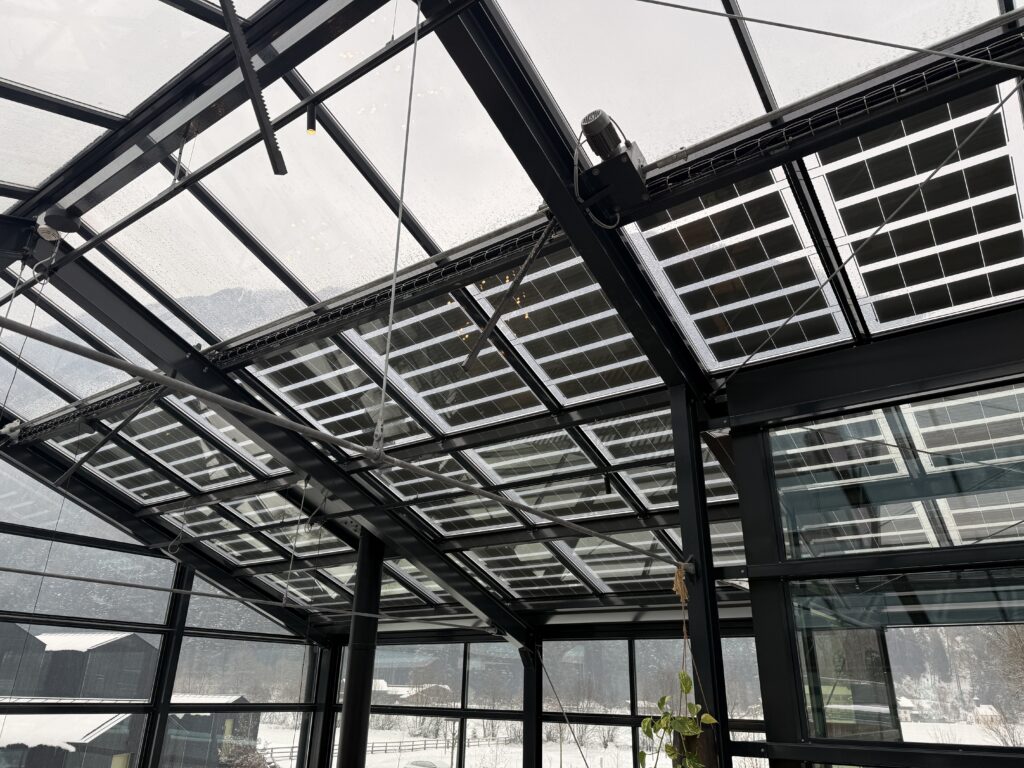
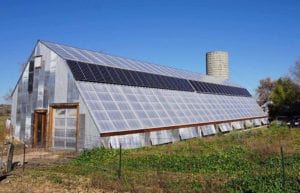
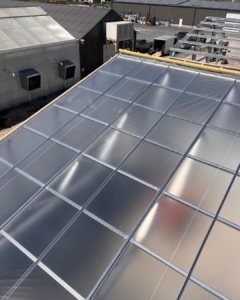
Infrared-blocking glass reduces solar heat gain without dramatically affecting visible light levels, keeping interiors comfortable on bright days without the visual heaviness of tinted glass. Photovoltaic glazing integrates solar cells directly into the glass panels, simultaneously reducing light transmission and generating renewable energy, a solution that addresses comfort and sustainability in a single material choice. Reducing light and blocking infrared in a glasshouse means less heat in the space, keeping it more comfortable for people.
Climate Control: A Layered Approach
Plants are remarkably tolerant of heat. People are not. This simple fact makes climate control a higher priority in glasshouse architecture than in almost any comparable building type, and it demands a more considered strategy.
At Ceres, we usually take a phased approach to this problem, starting with passive ventilation using roof vents. It is low-cost, low-energy, and highly effective at flushing accumulated heat on mild to warm days. Then we recommend adding a shade system, which intercepts solar radiation before it enters the space rather than trying to cool it out afterwards. Where passive measures are insufficient, evaporative cooling can bridge the gap in drier climates, adding a meaningful reduction in temperature without the energy intensity of mechanical systems. And for spaces that need to remain comfortable through the height of summer, or that serve guests in climates where passive strategies alone fall short, mechanical cooling becomes necessary. Depending on the needs of the space, mechanical cooling may be the only option to keep the space comfortable in the middle of the summer.
The most successful glasshouse buildings treat climate control not as an afterthought but as a design discipline in its own right
The Future of Glasshouse Architecture
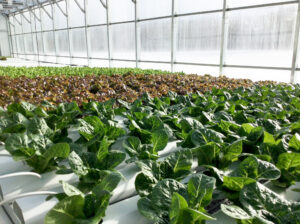
The direction of glasshouse and greenhouse architecture is clear: deeper integration between food, wellness, sustainability, and the built environment. Farm-to-table greenhouse restaurant designs are increasingly built around on-site cultivation, where herbs, vegetables, and edible flowers are grown in the same glass structure where guests dine. Wellness retreats and spas housed within glass pavilion architecture are meeting a surging demand for restorative, nature-immersed hospitality experiences. And net-zero glasshouse buildings, combining passive solar design, high-performance glazing, and renewable energy, are demonstrating that transparency and sustainability are not competing forces; they are natural partners.
As these trends accelerate, glasshouse architecture is no longer a niche pursuit. It is becoming a normal way of eating, working, resting, and gathering, one that puts our relationship with the natural world back at the centre of the built environment.
At Ceres Greenhouse Solutions, we partner with architects, commercial developers, and hospitality groups to design and deliver glasshouse structures of every scale and type – from intimate greenhouse restaurant designs to landmark glass pavilion architecture and large-scale biophilic architecture buildings.
Interested in learning more about glass architecture? Check out our glass house architecture page
Or learn more about the integration of glass architecture into residential spaces here
If you are exploring what a glasshouse could do for your next project, we would love to be part of the conversation. Contact a Ceres expert today!
Citations:Jimenez, M. P., DeVille, N. V., Elliott, E. G., Schiff, J. E., Wilt, G. E., Hart, J. E., & James, P. (2021). Associations between Nature Exposure and Health: A Review of the Evidence. International Journal of Environmental Research and Public Health, 18(9), 4790. https://pmc.ncbi.nlm.nih.gov/articles/PMC8125471/