Integrated Greenhouse Technology & Environmental Engineering
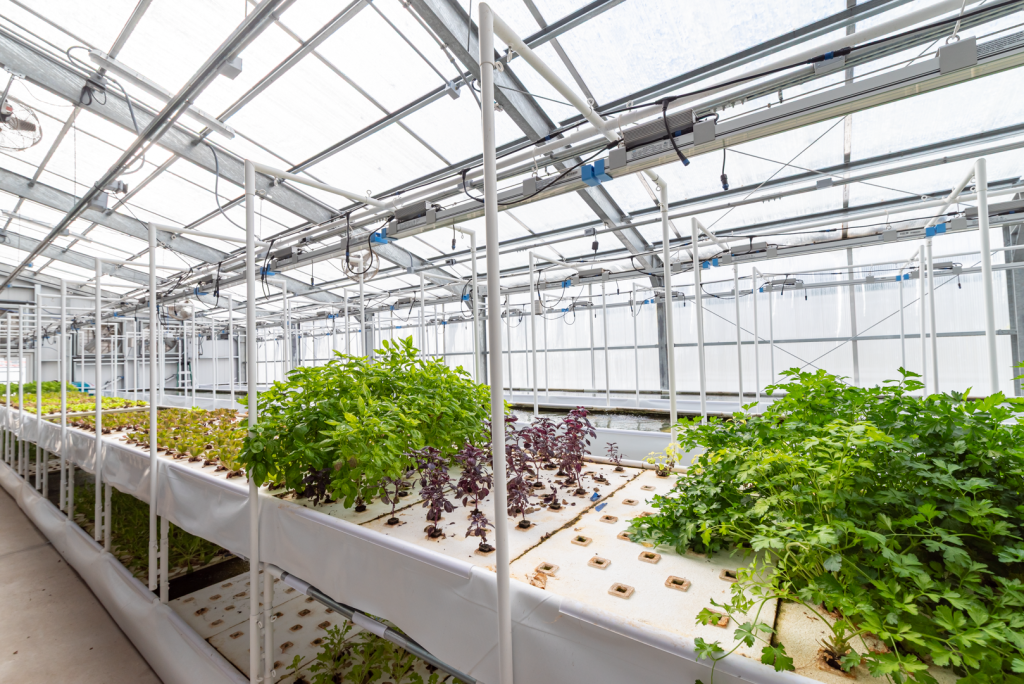
Ceres designs and integrates advanced greenhouse technologies that work together as a coordinated environmental system. From HVAC and dehumidification to automation, glazing, lighting, and controls, every component is engineered to support plant performance, energy efficiency, and long-term operational reliability.
Our approach combines greenhouse engineering, systems integration, and predictive energy modeling to create stable growing environments that perform consistently under real-world operating conditions.
Whether supporting commercial food production, research facilities, or your local CSA, we deliver greenhouse environments optimized for efficiency, resiliency, and scalability.
Technology Designed as One Complete System
Most greenhouse facilities are built using disconnected technologies that are coordinated too late in the process. At Ceres, every environmental system is designed to function as part of an integrated whole.
Our engineering teams coordinate:
- HVAC and dehumidification
- Airflow and ventilation
- Lighting systems
- Irrigation coordination
- Glazing systems
- Thermal performance
- Energy infrastructure
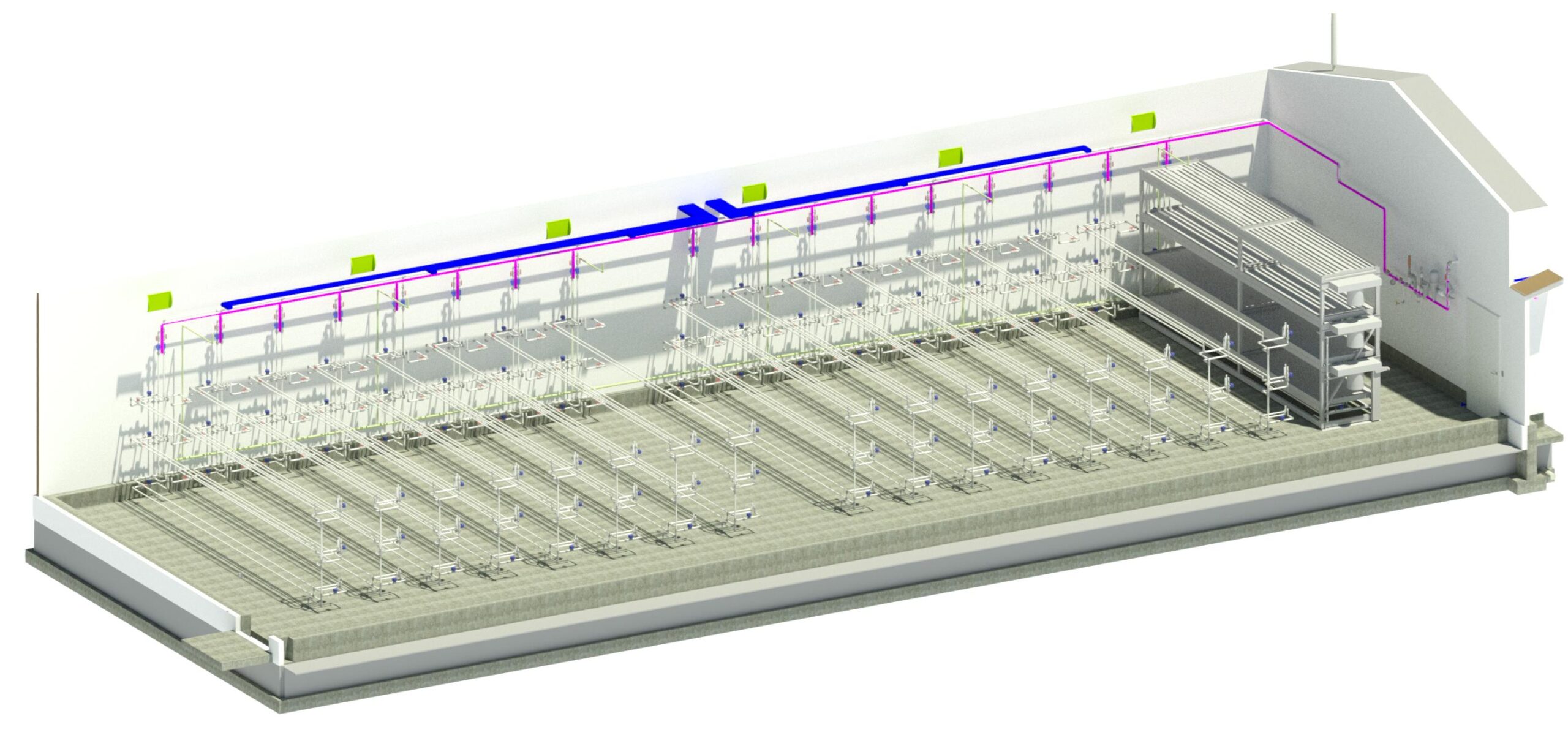
- Automation and monitoring
This integrated approach helps reduce operational surprises while improving environmental stability, energy performance, and long-term facility reliability.
By prioritizing systems integration from the beginning, we create greenhouse environments that are easier to operate, more efficient to maintain, and better equipped to perform according to their design intent.
Energy Modeling & Systems Integration
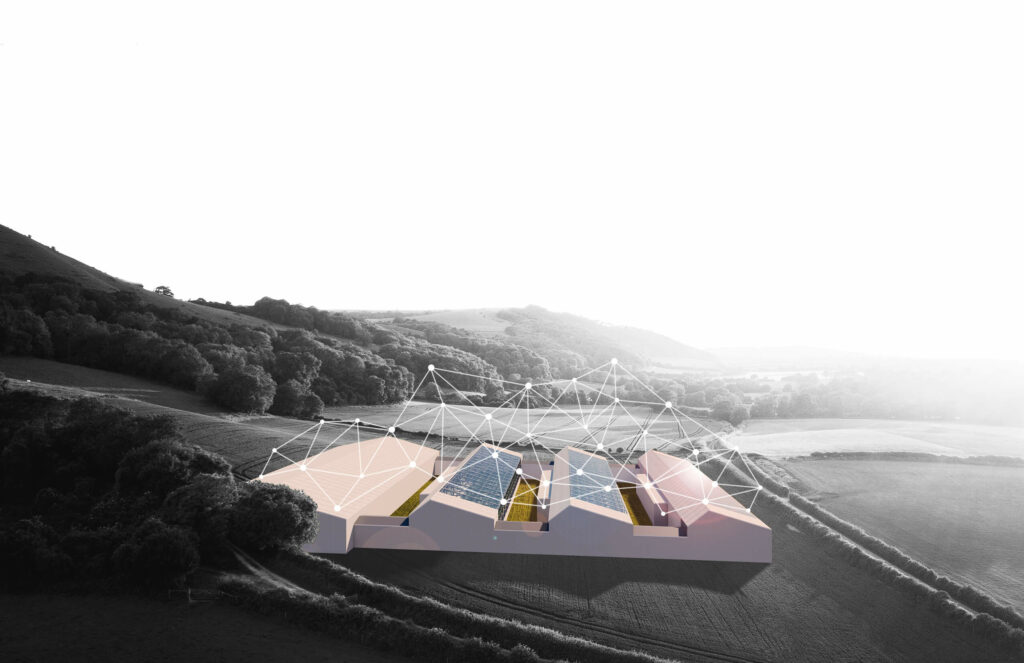
Many greenhouse facilities underperform because critical systems are designed independently and coordinated too late in the process. Ceres integrates energy modeling, environmental engineering, and controls coordination early in design to ensure systems work together before construction begins.
Performance Simulation Before Construction Begins
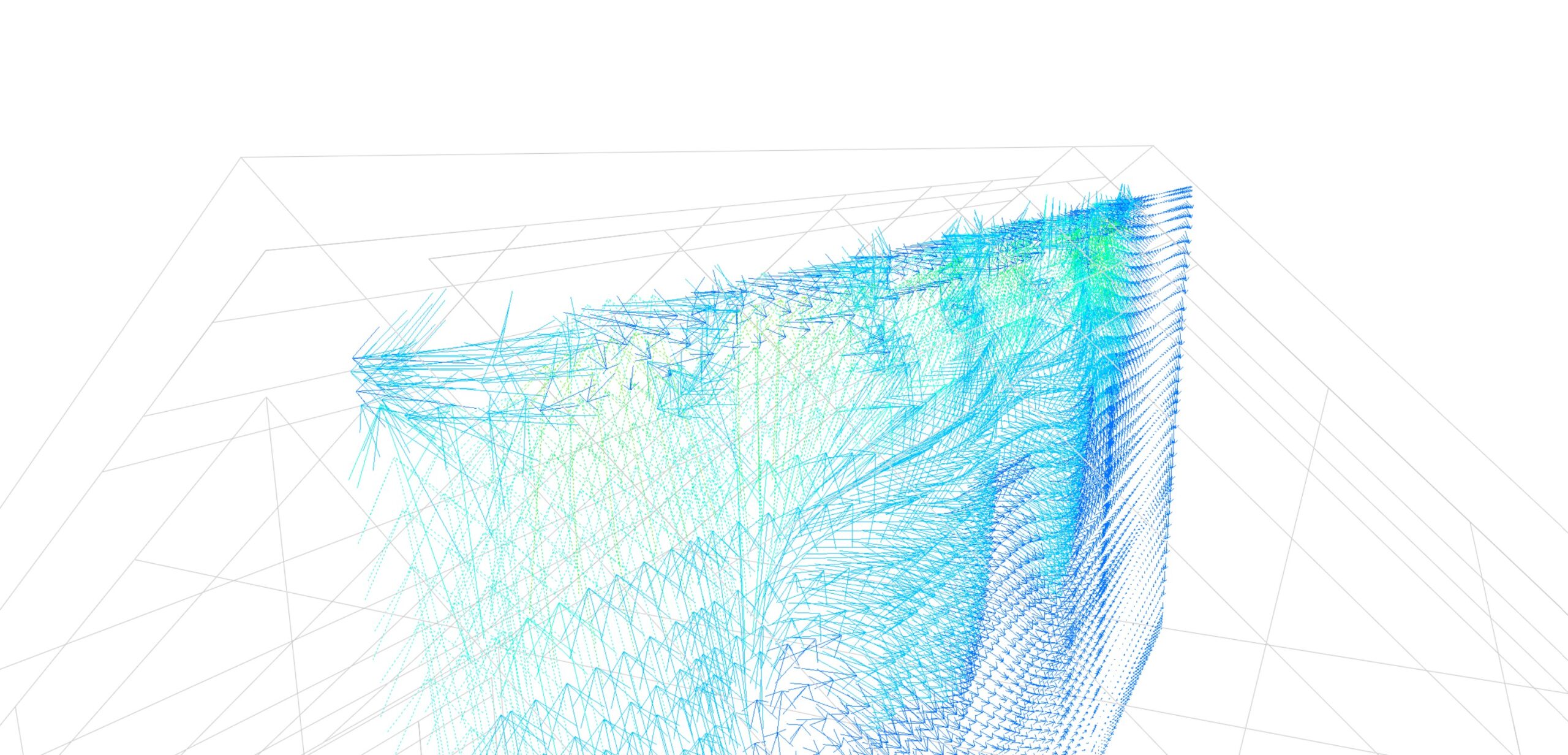
Ceres uses advanced energy modeling and building performance simulation tools, including IESVE, to evaluate how greenhouse systems interact across the entire facility before construction begins. This helps clients make informed design decisions early — improving operational efficiency and reducing costly performance issues later in the project lifecycle.
- Thermal loads
- Solar gain
- HVAC performance
- Humidity control
- Airflow dynamics
- Lighting impacts
- Glazing performance
- Energy consumption
- Environmental stability
What Is Systems Integration?
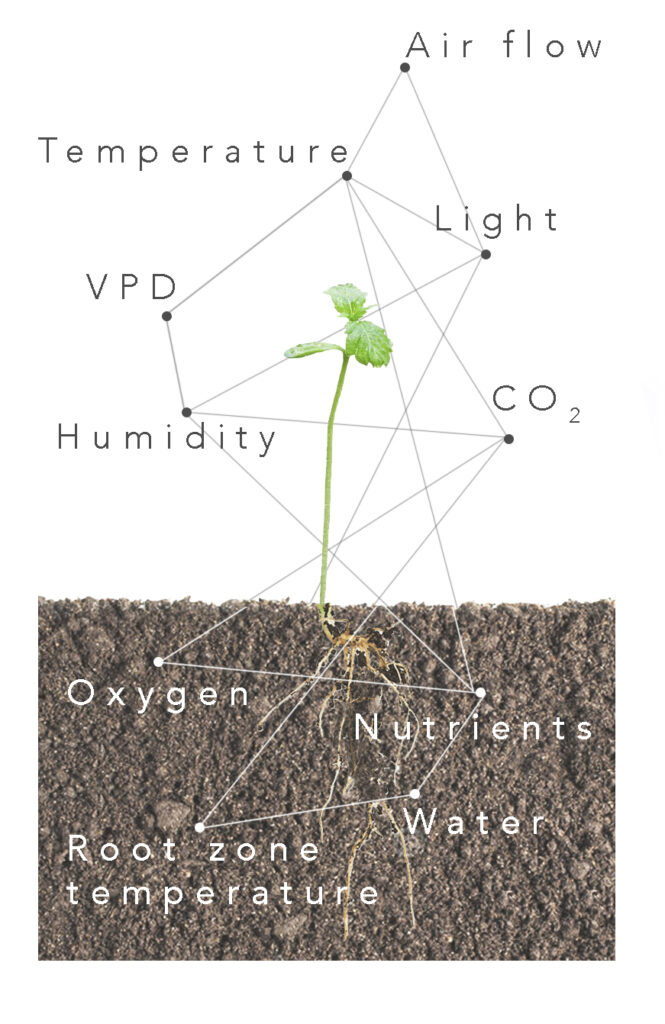
Systems integration is the process of bringing together different systems, components, and engineering disciplines so they function as one coordinated whole.
In greenhouse environments, this means ensuring that all systems:
- Share clear interfaces
- Communicate effectively
- Operate in proper sequence
- Support overall environmental goals
A greenhouse environment engineered for efficiency, resiliency, and plant performance from day one.
The outcomes speak for themselves
Prioritizing systems integration from the start transforms how a facility performs — across energy, environment, and long-term reliability.
Greenhouse Technology
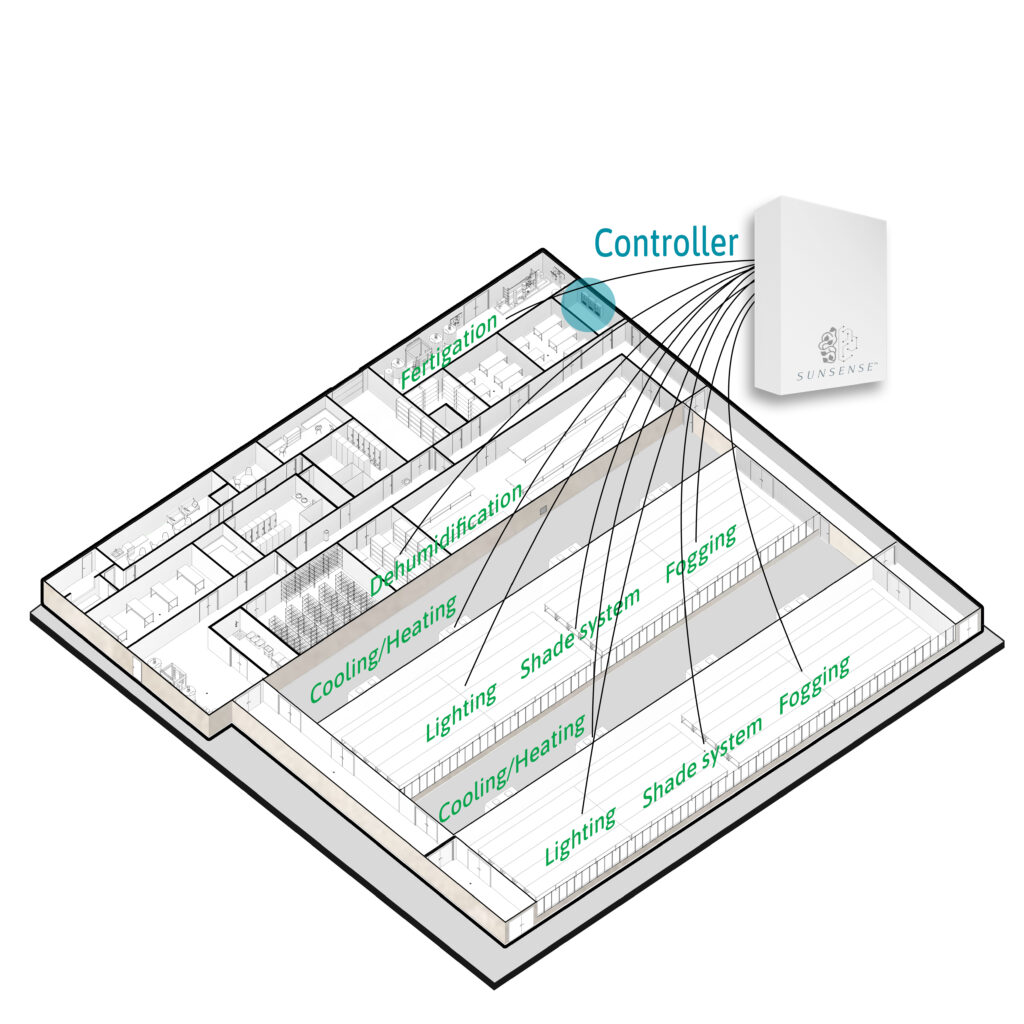
One centralized system for controlling the whole environment. Monitor temperature, relative humidity, and CO2, leaf/ canopy temp, PAR, lighting zones, and outdoor weather.
We offer Ceres designed EcoLoop™ or EcoPack™ HVAC options depending on growing goals, budget, site constraints, and greenhouse type. All Ceres environmental controls are custom integrated to suit your needs.
The GAHT® system is a ground to air heat exchanger, a system often referred to as a ‘Climate Battery’. Ceres leads the industry in climate battery technology, having designed and installed more systems in greenhouses than any other company in the world.
Different crops may demand specific lighting requirements. We offer a variety of lighting solutions designed to suit the needs of each individual operation.
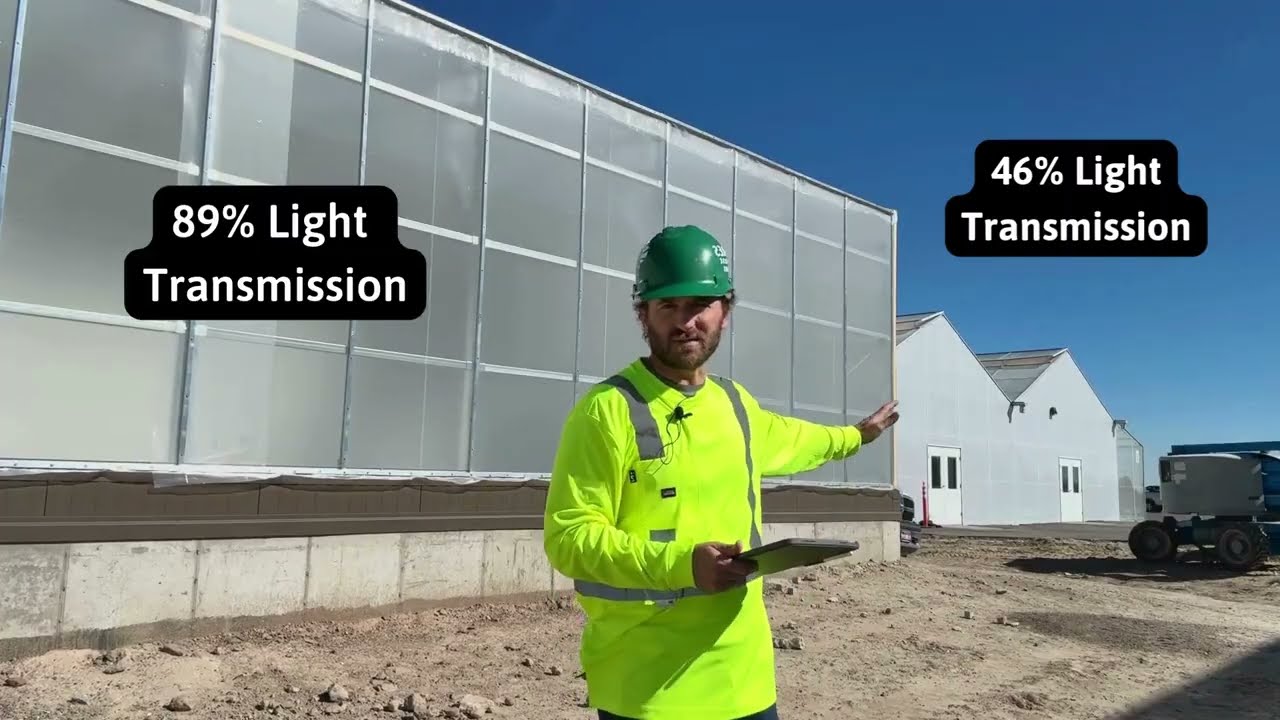
Ethylene tetrafluoroethylene is a durable, high light transmissive glazing option. It offers more than 95% light transmission, including the UV spectrum. More than other greenhouse companies, Ceres is implementing full spectrum glazings for maximum crop growth.
Technology That Supports Better Growing
Ceres greenhouse technologies are designed around measurable operational outcomes.
Improved Environmental Stability
Integrated systems help maintain consistent growing conditions that support healthier plants and more predictable production.
Lower Energy Costs
Energy modeling and coordinated environmental systems reduce unnecessary heating, cooling, and ventilation loads.
Simplified Operations
Centralized controls and coordinated systems reduce manual intervention and operational complexity.
Better Long-Term Performance
Systems integration improves equipment coordination, reliability, and long-term operational efficiency.
Plant-First Engineering
Every technology decision is made with plant performance, environmental stability, and operational outcomes in mind.
Greenhouse Technology for Diverse Applications
Ceres designs integrated greenhouse systems for:
Our engineering approach adapts environmental systems to the specific goals, climates, and operational requirements of each facility.
Why Growers Choose Ceres
Unlike traditional greenhouse suppliers that piece together disconnected technologies, Ceres engineers complete environmental systems designed to function as coordinated, high-performance environments.
Our approach combines:
- Greenhouse engineering
- Systems integration
- Predictive energy modeling
- Environmental controls & Automation
- HVAC(D) coordination
- Long-term operational planning
This integrated methodology helps clients reduce risk, improve efficiency, and create facilities capable of delivering reliable performance over the long term.
Access Greenhouse Technology Related Brochures
Get detailed specs, design options and more inside
By clicking the button above, you agree to receive emails from Ceresgs.com. Unsubscribe at any time.