
ETFE Greenhouse Glazing
Glazing is what defines a greenhouse. It determines how light enters the space, how heat is retained or released, and how the internal environment responds to changing conditions. And yet, greenhouses are rarely evaluated through that lens. More often, glazing is treated as a secondary decision, something selected from a familiar set of materials rather than considered as a core driver of performance.
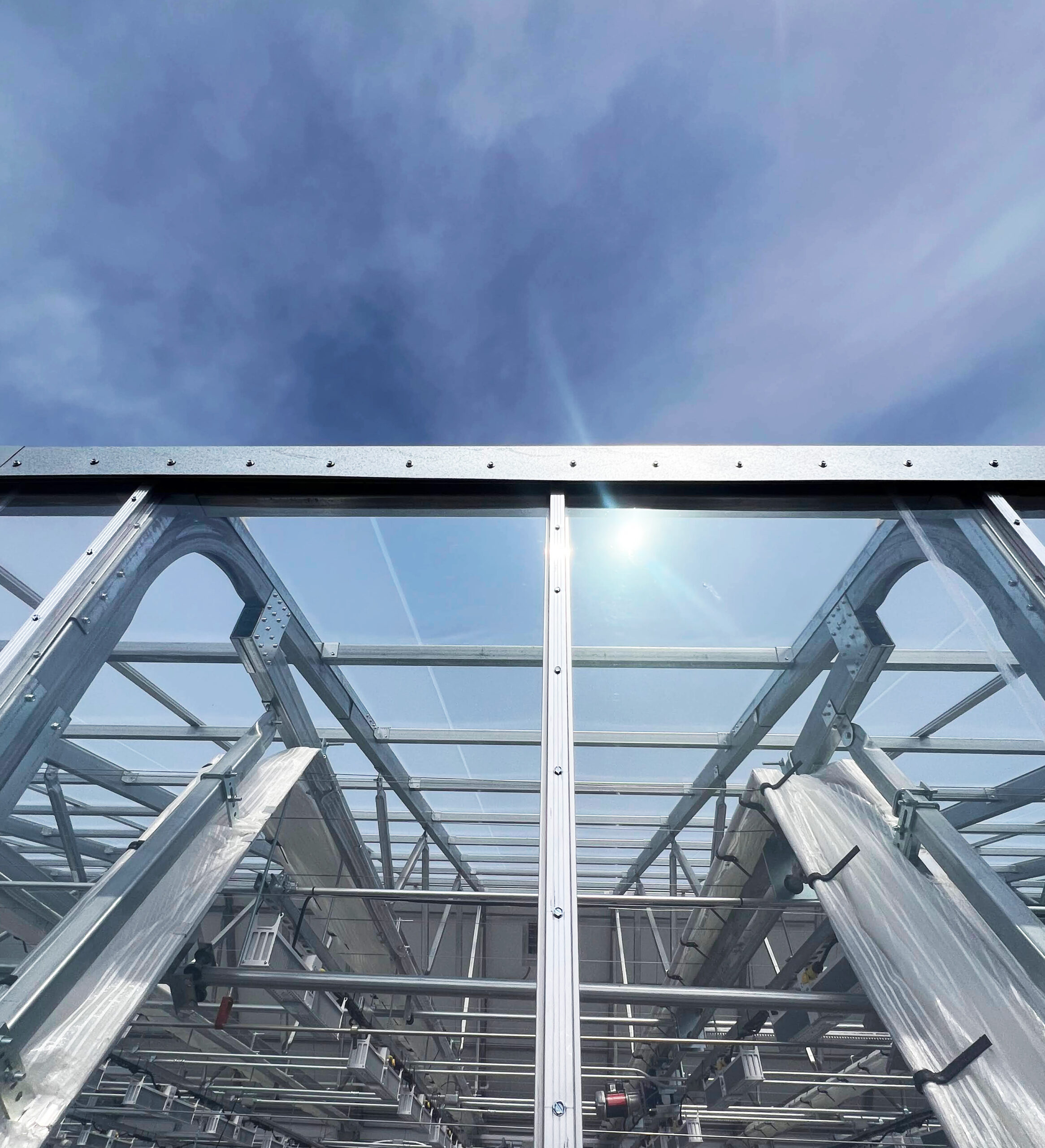
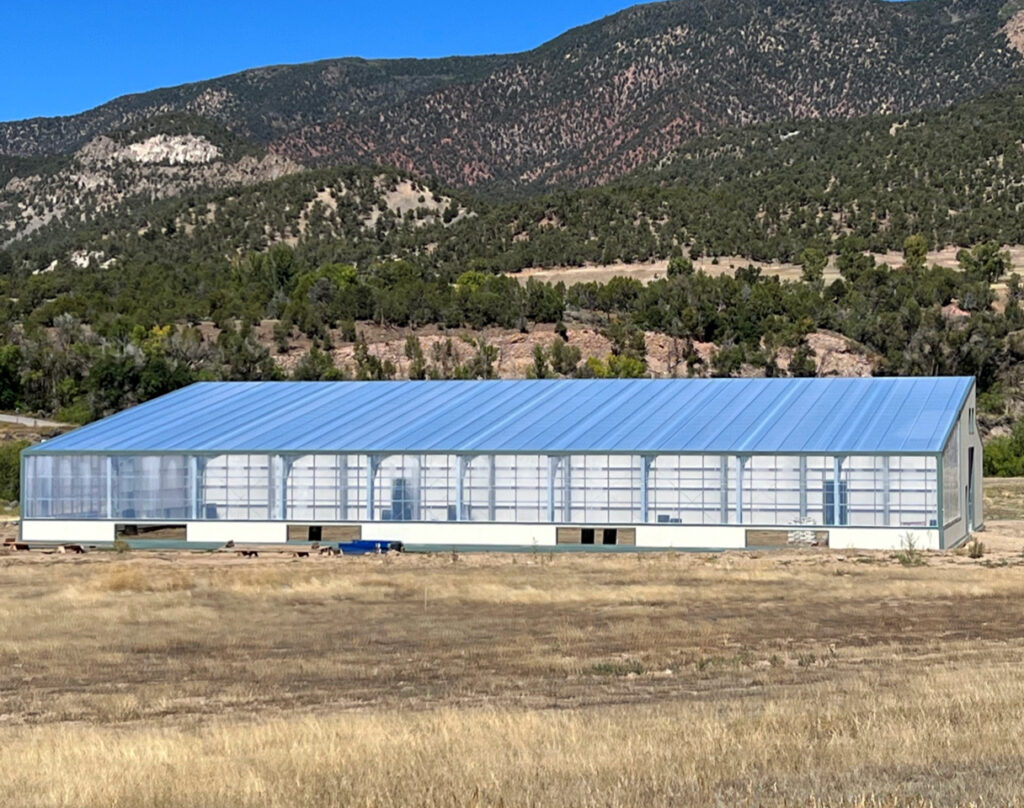
What is ETFE and How It's Used in Greenhouses
ETFE (Ethylene Tetrafluoroethylene) is a high-performance fluoropolymer used as a glazing material in a range of architectural and agricultural applications.
In greenhouses, it is typically used in single-layer or multi-layer systems, forming a lightweight, flexible envelope around the structure.
Compared to traditional greenhouse glazing, ETFE behaves differently in several key areas:
- Light transmission
- Structural load
- Durability over time
- Maintenance requirements
For a deeper look at the material itself:
→ Discover the Benefits of ETFE
How ETFE Fits Within a Greenhouse System
At Ceres, greenhouse design is approached as an integrated system rather than a set of individual components.
Glazing plays a role in that system, but it works alongside:
- Airflow and ventilation
- Thermal mass and heat storage
- Environmental controls
In this context, ETFE is used where it supports broader performance goals, particularly around light consistency and energy management.
For a broader overview of greenhouse glazing decisions:
→How to Choose the Best Greenhouse Glazing Material
Light Transmission and Distribution
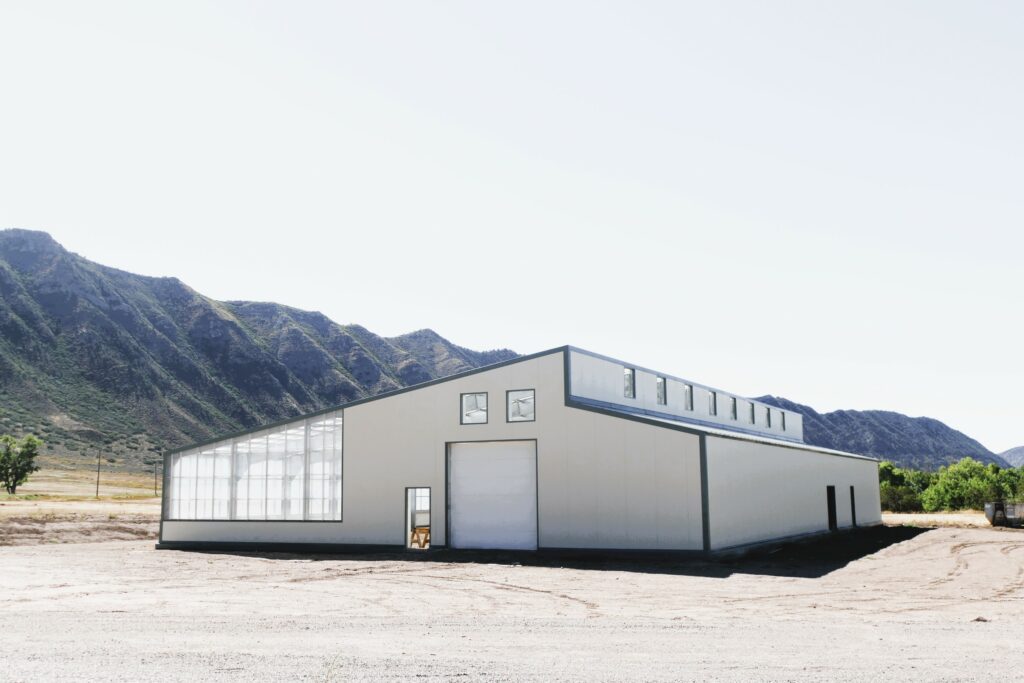
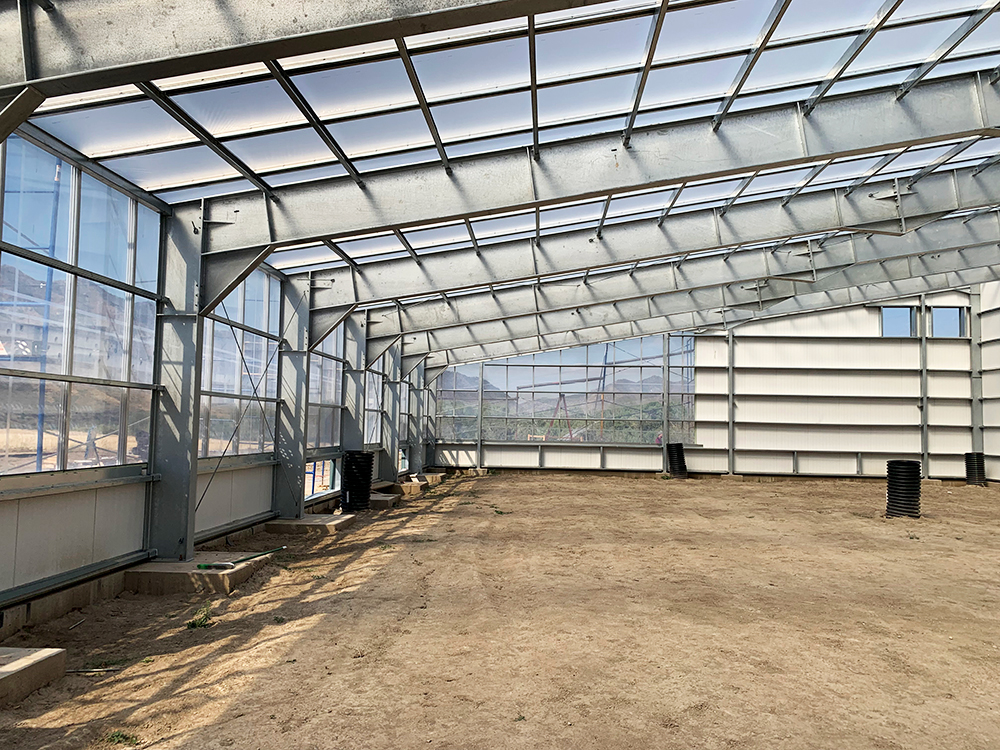
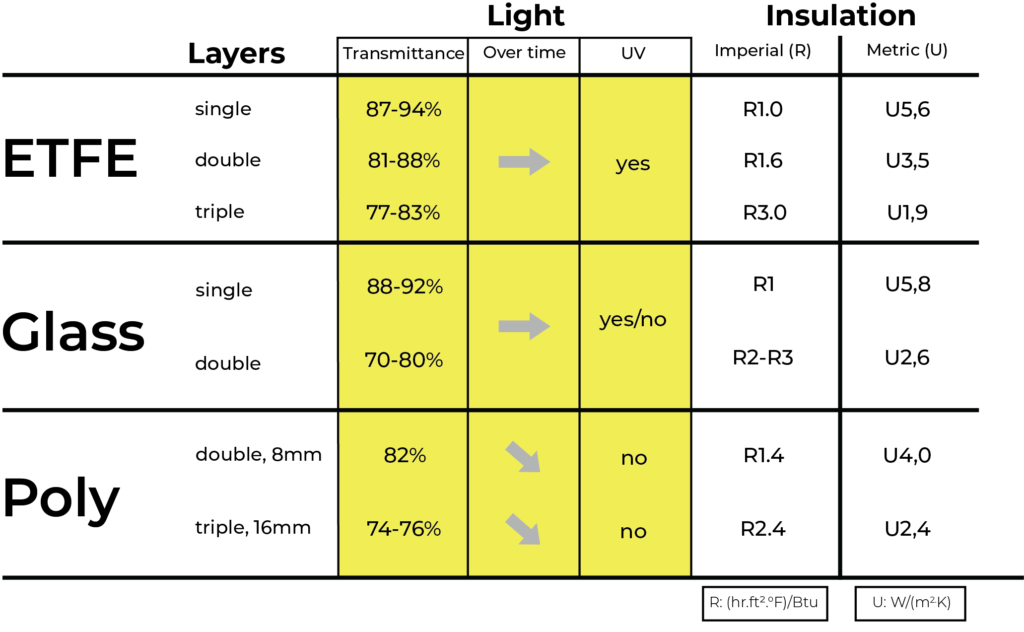
ETFE allows a high percentage of available light, including UV wavelengths, to pass through the greenhouse envelope.
This can influence:
- Plant morphology and structure
- Crop quality
- Overall consistency across the growing space
ETFE systems can also be designed to diffuse incoming light, reducing sharp contrasts and improving distribution across the canopy.
A more detailed discussion of this can be found here:
→ Discover the Benefits of ETFE
Structural Efficiency & Design Flexibility
Because ETFE is flexible and lightweight, it can be used in configurations that are more difficult with rigid materials.
This includes:
- Large-span structures
- Curved or non-linear geometries
- Cushion systems that create insulating air layers
These characteristics are often relevant in:
- Commercial greenhouse operations
- Botanical or biophilic environments
- Projects where architectural form and performance intersect
In retrofit scenarios, this can also expand what is feasible without extensive structural modification.
Durability and Long-Term Performance
Greenhouse materials are exposed to continuous environmental stress.
ETFE is resistant to:
- UV degradation and yellowing
- Temperature extremes (stable to 400F)
- Chemical exposure
- Fewer greenhouse pests and pathogens, as UV light acts as radiation
- Fires: fire-rated ASTM E84 Class A, ETFE foil shrinks back from plume
- High winds, snow loads, and hail
Over time, this allows it to maintain light transmission and structural integrity more consistently than many conventional materials.
Rather than focusing only on initial performance, ETFE is often considered in terms of how it behaves over decades of use.
Maintenance Considerations
Like all greenhouse materials, ETFE requires maintenance. However, its surface properties reduce the tendency for dirt and debris to accumulate.
In many environments, rainfall is sufficient to remove buildup, which can reduce the frequency of cleaning and help maintain more consistent light levels over time.
ETFE is also easily reparable, with ETFE film patches and sheets.
Where ETFE is Typically Used
It is most commonly used in projects where:
- Long-term light consistency is a priority
- Structural efficiency is important
- Maintenance needs to be minimized
- The greenhouse is part of a larger, integrated system
For comparison with other materials:
→ETFE vs Polycarbonate Glazing
Working with ETFE at Ceres
At Ceres, ETFE is incorporated into greenhouse designs where it aligns with the overall goals of the project.
This includes:
- Custom greenhouse systems
- Retrofit applications
- Integration with energy and climate strategies
The goal is not to apply a single material universally, but to use it where it supports long-term performance.
Continuing the Conversation
If you’re evaluating greenhouse materials or considering a new project, it can be helpful to look at how different options perform within a complete system.
Access Greenhouse Technology Related Brochures
Get detailed specs, design options and more inside

Watch Videos About Our Technologies:

Calculate Your Energy Savings
Find out how much you can save with Ceres Greenhouses compared to standard greenhouses.

ETFE FAQs
ETFE film is priced by its thickness and type (diffuse or clear). Film thickness varies in practical applications from as low as 50 um for internal walls, to over 300 um for the highest hail size and snow/wind loads. The thinner ETFE film prices are comparable to double layer polycarbonate.
Diffuse ETFE glazing is also available, with an anti-drip coating, to ensure that condensation from the ETFE does not drip onto the plants. The anti-drip coating increases the price for each thickness by about 30%.
More important than the ETFE film price is the price for the engineered ETFE system. This service includes engineering, aluminum fastening tracks, hardware such as fasteners, ETFE repair tape and installation instructions.
ETFE is a great option for a greenhouse glazing material where the fire code requires the highest fire rated material, or when high resistance to hail, wind and snow loads are required.
ETFE is a great material in all earthquake prone areas since it cannot break or shatter.
ETFE is also a great option for all buildings where complex building forms or shapes are desired.
Due to its unique molecular structure and high binding energy, ETFE offers an almost unlimited service life. Greenhouses that have had ETFE installed in the early 1980’s have been in continuous operation ever since. ETFE will last longer than any other glazing material and can be completely recycled if it is no longer needed.
The films come with a 10 year warranty from the manufacturer.
ETFE is much less brittle than Acrylic, Glass or Polycarbonate. A variety of independent lab tests have shown that ETFE films, with a thickness of 250 um, can withstand hail with 2 inches (50 mm)–causing only indentations in the ETFE glazing. Acrylic sheets are warranted up to ¾” (20 mm). Hail above that size will cause acrylic sheets to break and thick 3 layer polycarbonate to suffer irreparable indentions. ETFE films are classified Hail class 3, which means that ETFE can handle more than double the hail size without any perforation to the film. With ETFE, harvests will be protected in severe weather. In most cases, any hail caused indentations in the ETFE can be repaired with a thermal gun ( i.e hair dryer) or ETFE repair tape without losing its quality and characteristics.
ETFE can be installed on any greenhouse, such as rectangular (greenhouse) buildings with standard roofs (glass or plastic), center gable or off-set gable, hoop houses, chinese style greenhouses, custom greenhouses, etc. In practice it may be hard to install ETFE retroactively on large-scale Venlo greenhouses unless these greenhouses are already designed for this purpose. When in doubt, contact the Ceres team to find out if ETFE is the best solution for your greenhouse.
The track system that allows for the proper installation of the ETFE film on greenhouses was designed by Ceres and its exclusive partners. It is part of Ceres’ Intellectual Property. Currently Ceres is the only greenhouse company in the world to offer a comprehensive engineered multi layer solution for ETFE on greenhouses.
The number of layers will vary regionally. It depends on the level of insulation desired. Contact us for more information.
ETFE is an electronegative, hydrophobic (does not like water) material. Fine dust can stick to the surface of the ETFE both from the outside and inside of the greenhouse. Since the ETFE does not ‘like’ water, any dust collecting on the ETFE surface will accumulate in any water droplet that hits the ETFE surface. As a result, ETFE is highly cleanable with water. For the outside layer, any rain will do.
Should extra cleaning be required, regular cleaners can be used to clean the ETFE surface without any problems.
ETFE is hydrophobic (does not like water or ice) and therefore snow will glide off the roof easily as long as the roof slope is appropriate. The Ceres’ ETFE system is not recommended for flat roofs.
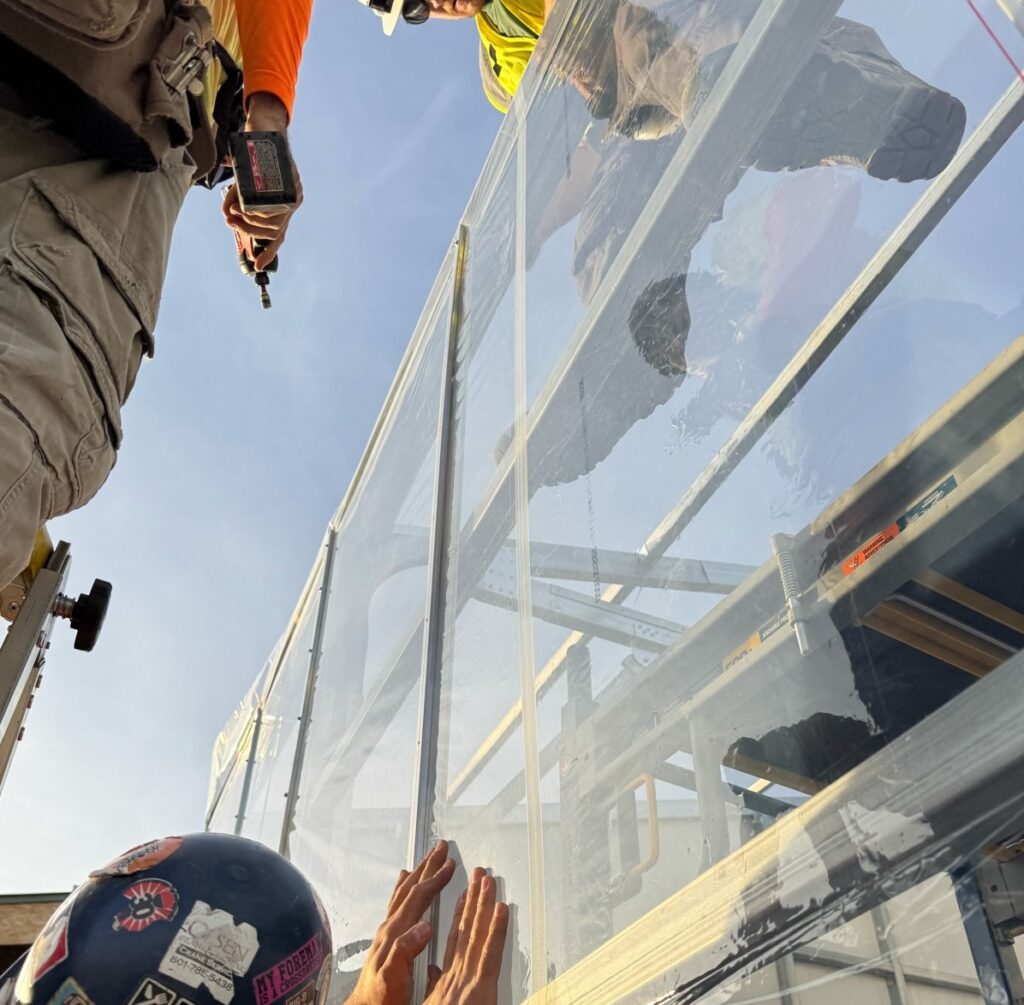
Walking on ETFE roofs is not recommended. Most ETFE professional contractors/roofers choose to walk on scaffolding that is securely laid perpendicular to the ETFE track systems. Using appropriate safety equipment, this is a safe way to walk on the roof.
Ceres cannot be held responsible for accidents during installation. We recommend using professional installers for installations above ground level.
Greenhouses have the reputation that they are always ‘leaky’. This is because there are many interfaces between different materials that are hard to seal. One of the biggest advantages of using ETFE is that it can be installed over large areas without a single seam. As a result, greenhouses built with ETFE can be much tighter than greenhouses built with any other glazing material.
ETFE systems (ETFE and Aluminum) are the highest temperature rated roof covering. Temperatures in excess of 400F (200C) do not harm the ETFE, or the system that was used to install it. No other roofing system can withstand such temperatures.
Polycarbonate is rated up to 280F (140C) and Acrylic is rated for up to 200F (90C) but can deform at temperatures as low as 160F (70C). Glass can be rated at a higher temperature itself, but the polymers used to install and seal the glass have lower temperature ratings.
Permits for re-roofing/glazing any structure may or may not be necessary. Unless otherwise specified, it is the responsibility of the client or clients’ architect to verify that any regulations are met.
Ceres and/or the stamping engineer can provide most of the technical documents necessary to obtain the permit. Depending on the requirements from the building department (extra fee may be necessary).
ETFE is a rather forgiving material and depending on the structure can be installed by almost any skilled laborer. In small structures, ETFE can be installed by the homeowner but a minimum of 2 people will be required. In larger structures, movement on the roof requires skills and safety equipment that usually require professionals with the right equipment. These can be roofers or general contractors. Teams of 4 or 5 people are recommended.
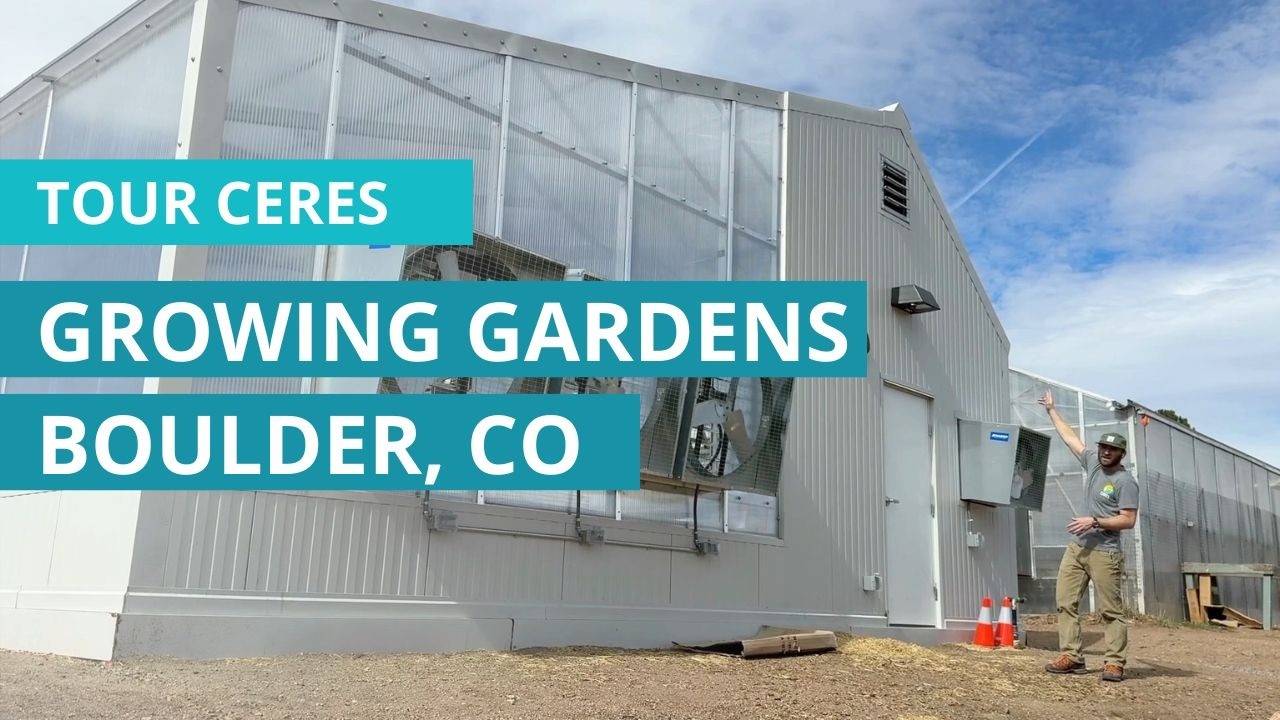
In general, contractors unfamiliar with ETFE installations will quote high installation costs because of the unknowns about the process. Ceres experts will be available to answer questions during the quoting process. Furthermore, Ceres recommends that clients and/or their contractors come to see an existing installation in Boulder, CO to familiarize themselves with the process. Ceres can provide references for skilled contractors for any installation.
Greenhouse specific ETFE films can be delivered within a 4 week timeframe.
Depending on the size of the greenhouse, the film thickness, the hardware required, and inventory levels, delivery of materials can take up to several months.
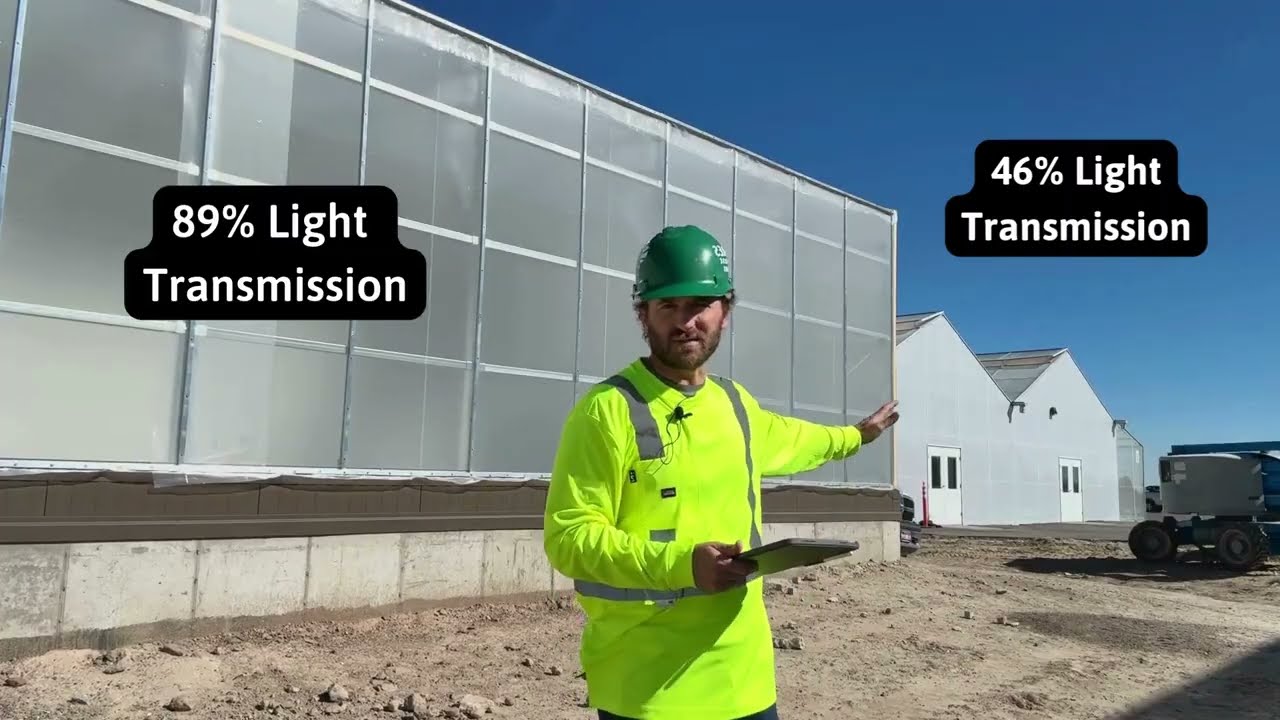
ETFE films can be diffused or clear and Ceres will help select the best grade for each specific project application. Clear films are better for people and are often preferred when visibility into or out of the greenhouse is desired. Diffused films are better for the plants because they scatter the sunlight onto the leaves, diminishing pests, increasing photosynthesis and contributing to the overall health of the plant.
ETFE films are available in 50um, 60um, 100um, 150um, 200um, 250um and more. In general, the thicker the material, the higher the hail, wind and snow resistance, the wider the track spacing and the lower the light transmission. As an example, for the 250um the light transmission is 87% whereas for the 100um the light transmission is 94%. While thicker films reduce the light transmission slightly, the increased distance of the support structure will allow for more sunlight coming into the greenhouse which will offset that loss. Due to minimum order quantities, Ceres is only working with 50um, 60um, 100um and 250um thickness.
ETFE can be purchased as a roll-good depending on the thickness in 3’7″, 4’3″, 5’3″, 7’8″ (1.1m, 1.3m, 1.6m, 2.35m) width.
ETFE can also be welded into large sheets (usually rectangular) where the main size limitation is mainly the weight of the material for the people operating the welding machines. 50ft x 100ft (15m x 30m) are common.
ETFE is one of several materials available for greenhouse glazing.
What makes it relevant is not just its individual properties, but how those properties contribute to the performance of the greenhouse over time.
