Community, Urban & Rooftop Greenhouses
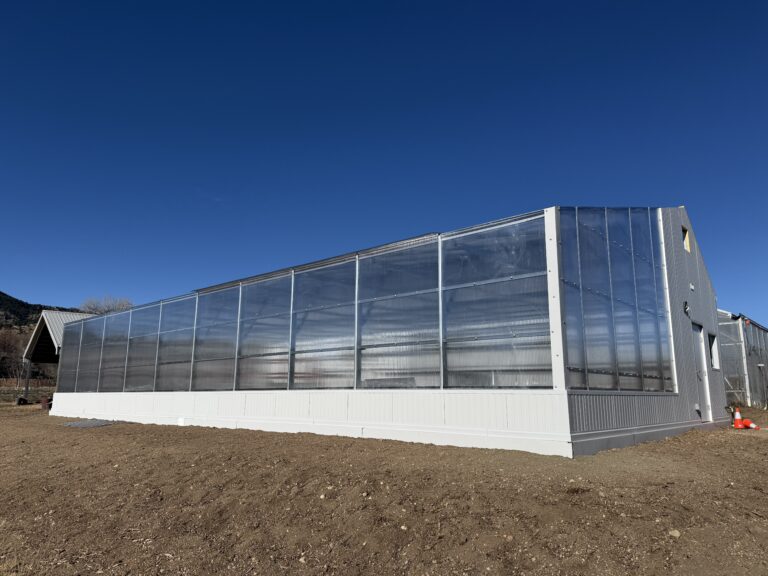
Ceres designs greenhouse systems for communities, schools, nonprofits, municipalities, Indigenous communities, urban farms, research institutions, and mission-driven organizations working to grow fresh food closer to the people they serve.
Community, urban, and rooftop greenhouses often overlap, but they are not the same. A community greenhouse is designed to support people — through food access, education, workforce development, or local resilience. An urban greenhouse is located in or near a city and may serve community, commercial, institutional, or research goals. A rooftop greenhouse is a specialized type of urban greenhouse built on top of a building, often where ground-level space is limited.
Whether your project is focused on feeding a neighborhood, supporting a school program, growing food in a dense urban environment, or integrating a greenhouse into a rooftop or mixed-use development, Ceres can help design an efficient, durable, year-round growing environment around your goals.
What is a Community Greenhouse?
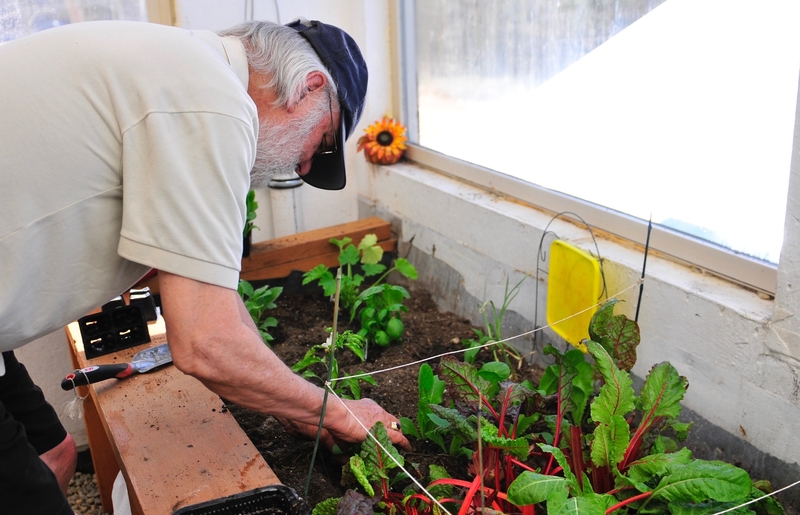
A community greenhouse is a shared growing space designed to provide local food, education, connection, and long-term resilience. Unlike many commercial greenhouses, community greenhouses do not always need to turn a profit. Their value may come from the people they serve, the food they produce, the skills they teach, and the stability they bring to a local food system.
Community greenhouses can support:
- Food sovereignty initiatives
- Rural and urban food desert communities
- Veterans groups
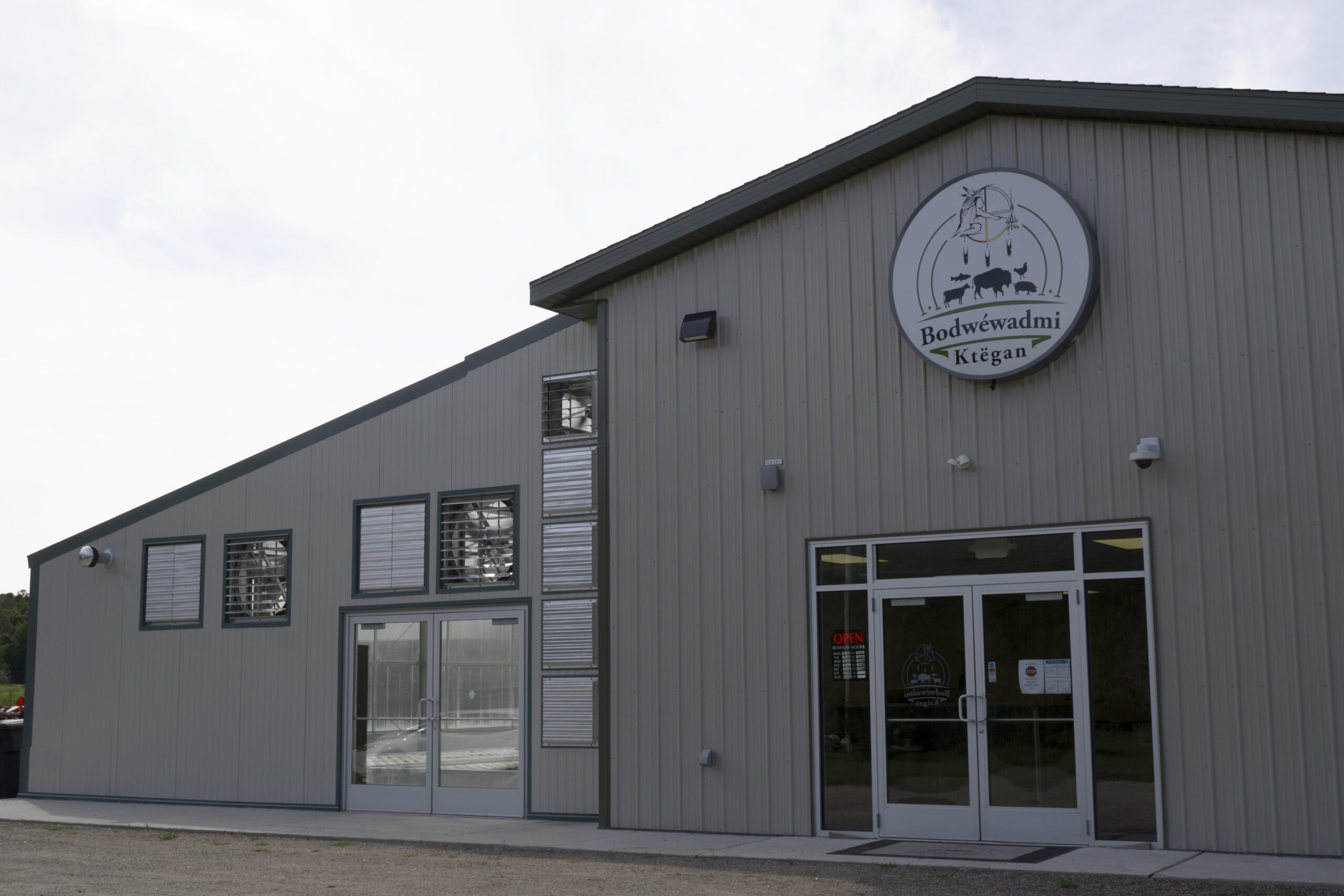
- Indigenous and First Nations communities
- Schools and youth programs
- Community centers
- Retirement communities
- Nonprofits and mutual aid organizations
- Seed-starting and plant distribution programs
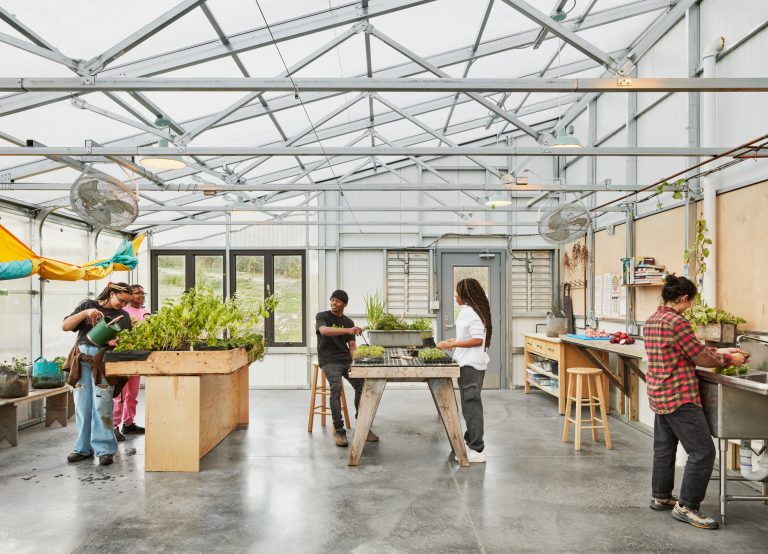
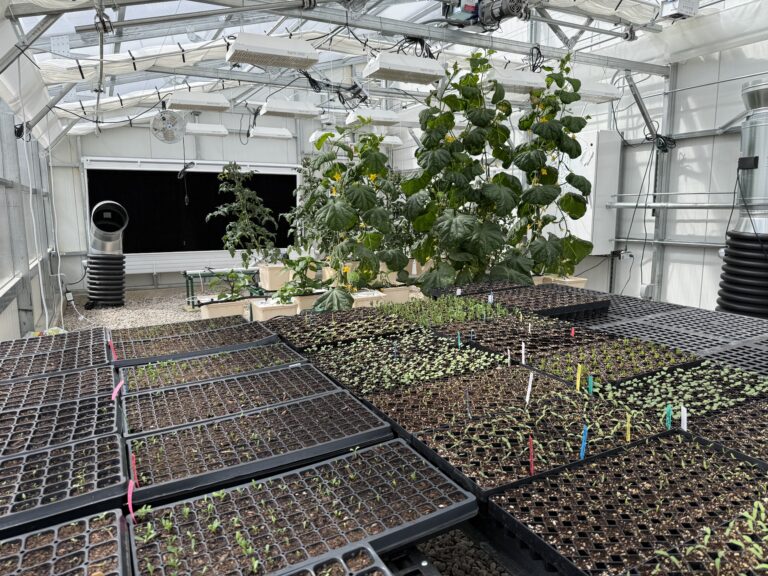
A well-designed community greenhouse can become more than a production space. It can serve as a classroom, gathering place, training facility, therapeutic garden, and year-round source of fresh produce.
Why Build a Community Greenhouse?
Community greenhouses help organizations grow food while also building stronger social, educational, and ecological systems.
Year-Round Local Food Production
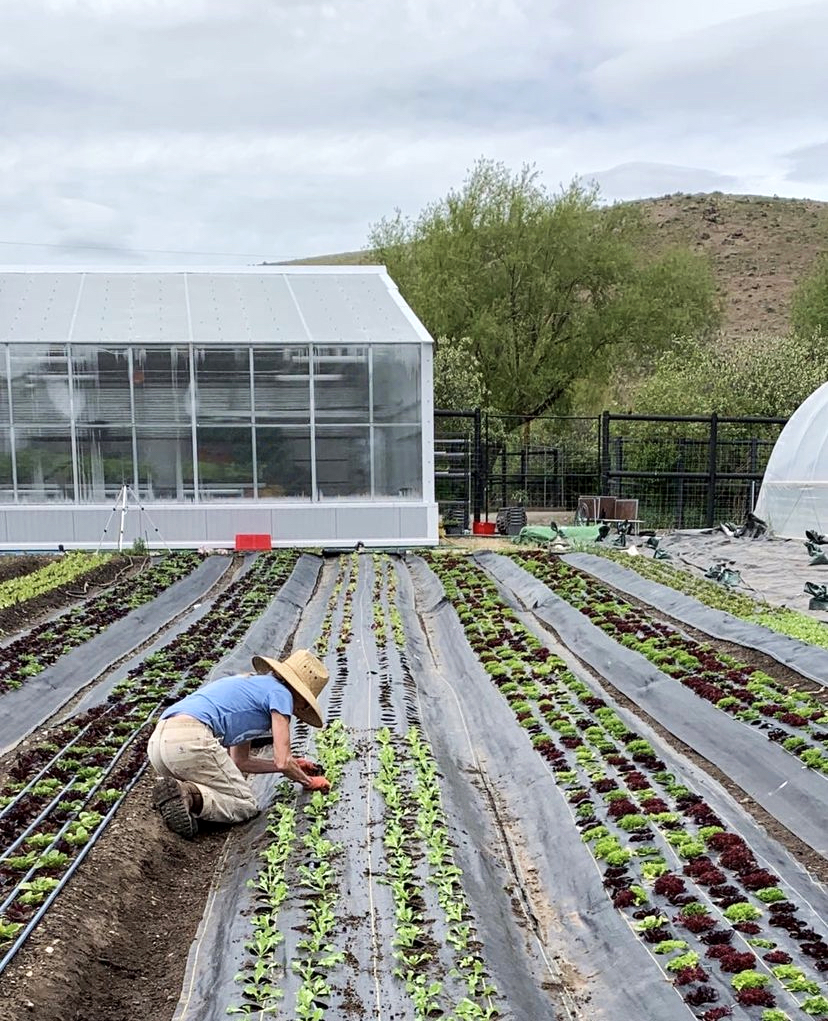
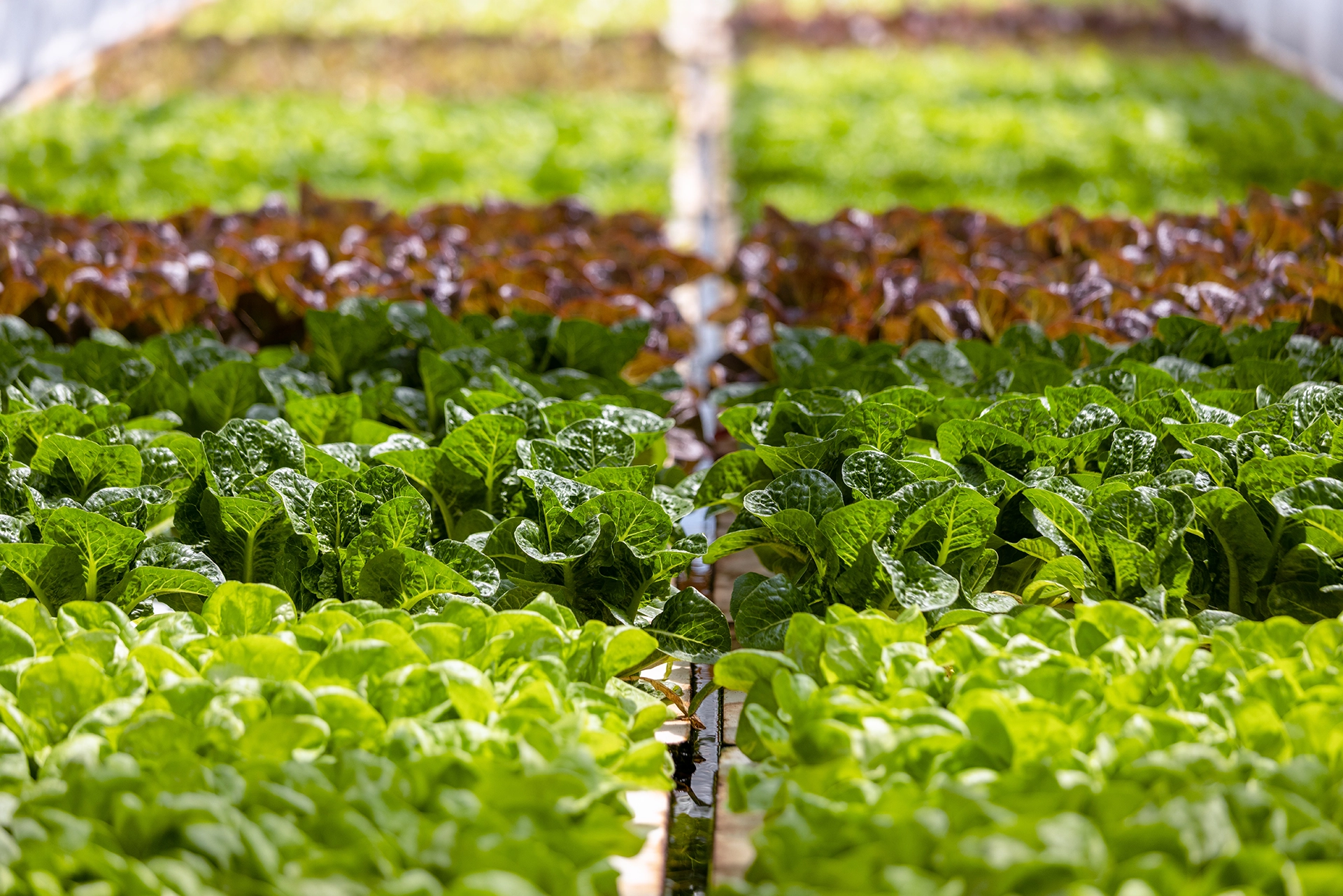
A greenhouse makes it possible to grow fresh produce through colder months, unpredictable weather, and shorter outdoor growing seasons. This can help communities reduce dependence on long-distance food supply chains and increase access to fresh, nutritious food.
Food Sovereignty and Resilience
For many communities, a greenhouse is a tool for greater food independence. It gives local groups more control over what they grow, how food is distributed, and how agricultural knowledge is shared across generations.
Education and Workforce Development
Community greenhouses can support hands-on learning in biology, agriculture, climate systems, nutrition, engineering, architecture, aquaponics, environmental controls, and renewable energy. They can also provide workforce training for students, beginning growers, and community members interested in controlled environment agriculture.
Health, Wellness, and Connection
Greenhouses can offer therapeutic benefits through gardening, movement, sunlight, and connection to living systems. They can also create shared spaces where people work together, learn together, and build stronger community ties.
Climate-Adaptive Food Infrastructure
As weather patterns, supply chains, and land access become less predictable, community greenhouses offer a practical way to build local resilience. With the right design, they can conserve energy, reduce water use, and support consistent food production in challenging climates.
Urban Greenhouses for Community, Commercial, and Institutional Projects
Urban greenhouses bring food production closer to where people live, work, learn, and gather. Some urban greenhouses are community-focused. Others are commercial, educational, research-based, or part of a larger development.
Ceres designs urban greenhouse systems for a wide range of applications, including:
- Community food access projects
- Urban farms
- Grocery and market production
- Restaurant and hospitality growing spaces
- School and university greenhouses
- Research and demonstration facilities
- Mixed-use developments
- Municipal sustainability initiatives
Urban greenhouses can help reduce food miles, create local jobs, provide educational opportunities, and make productive use of limited or underutilized space.
Rooftop Greenhouses: Specialized Urban Growing Spaces
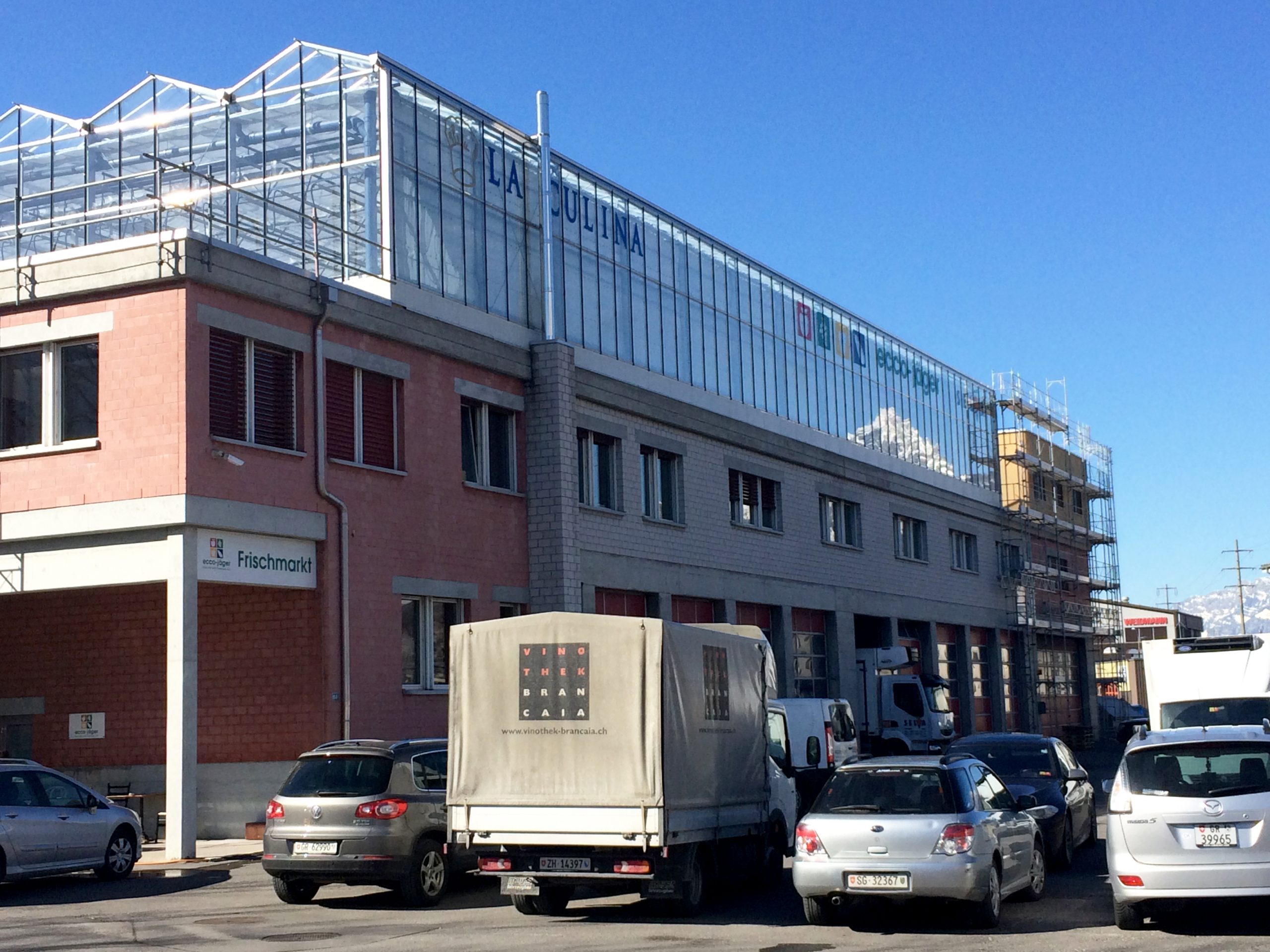
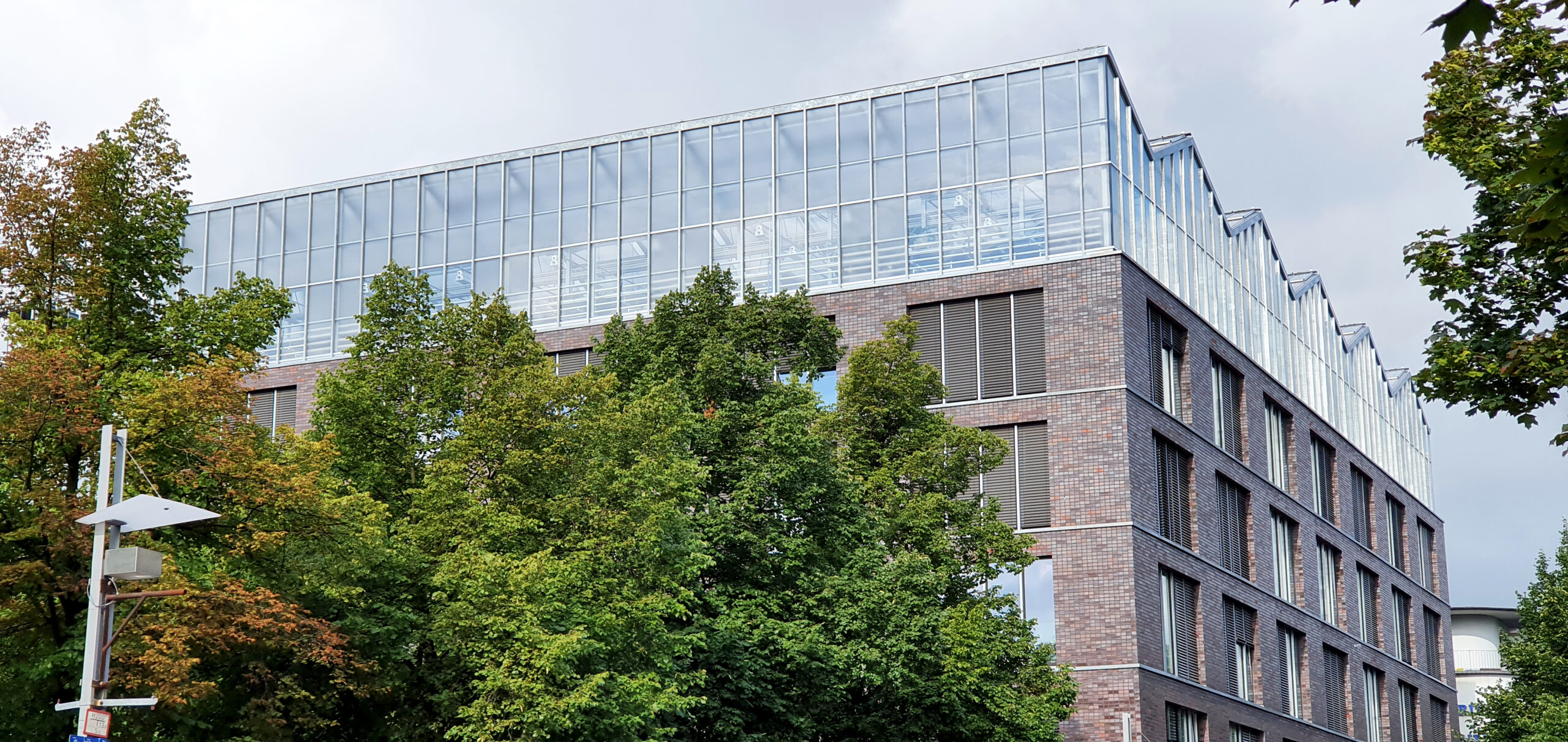
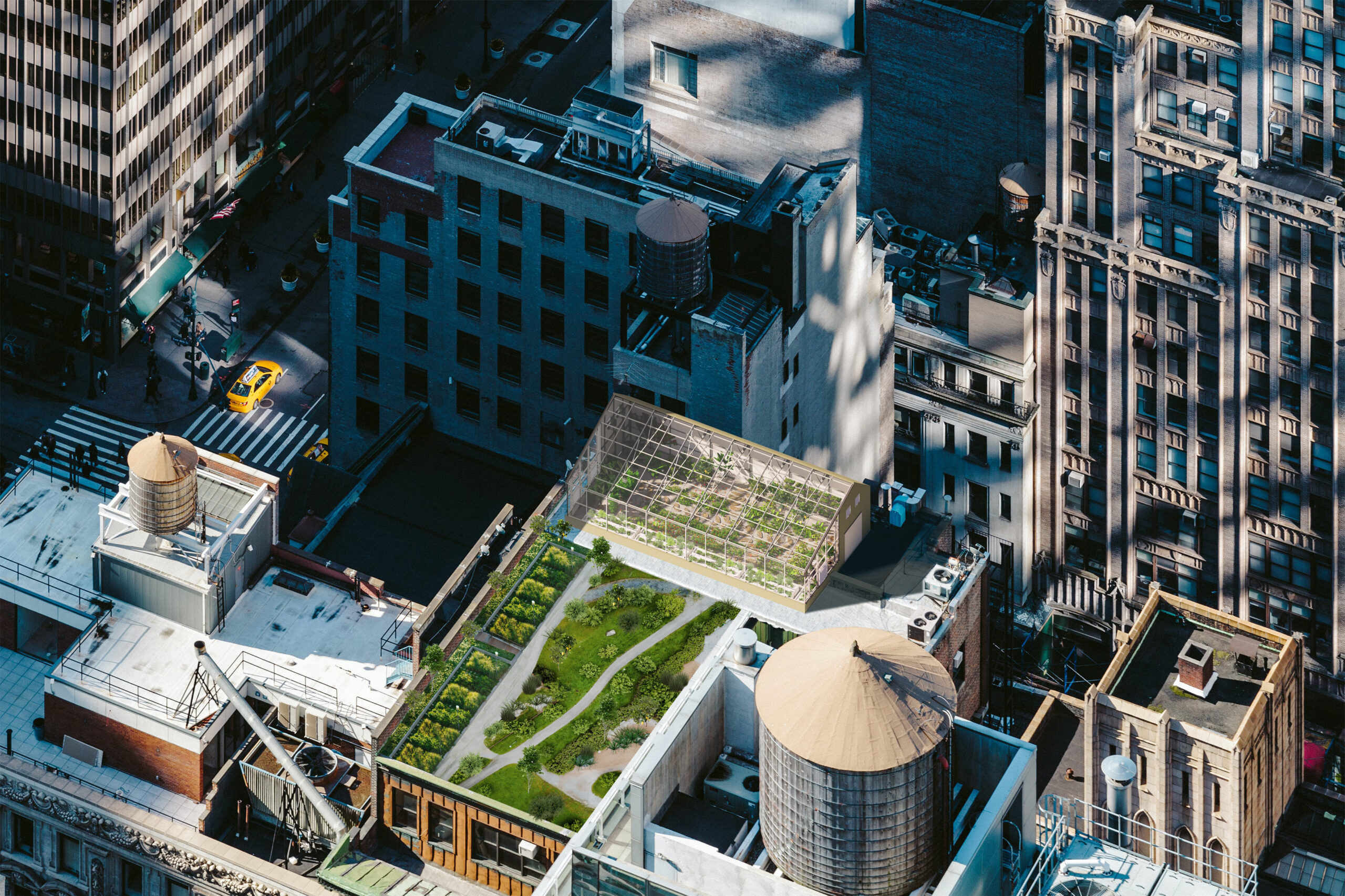
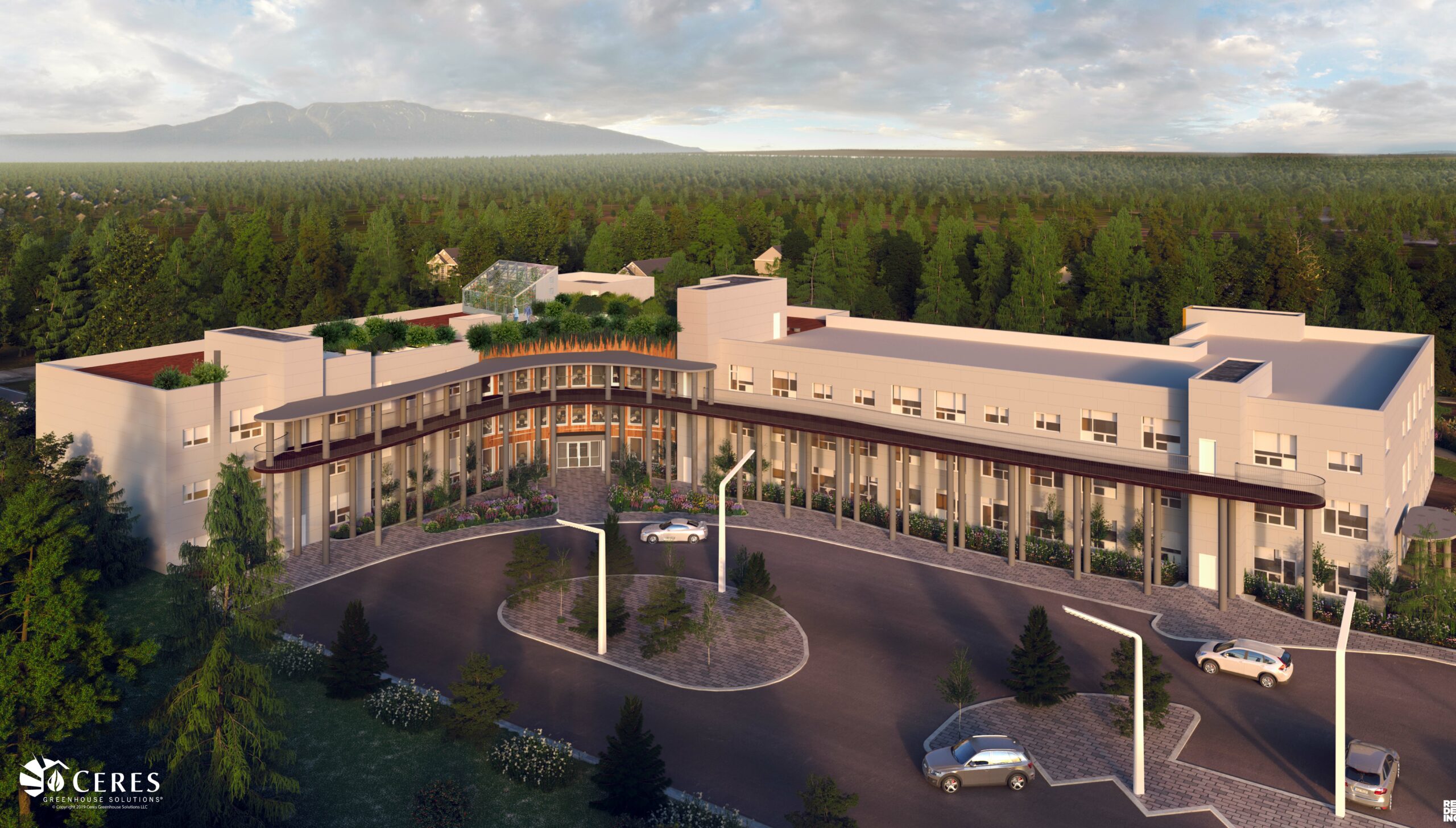
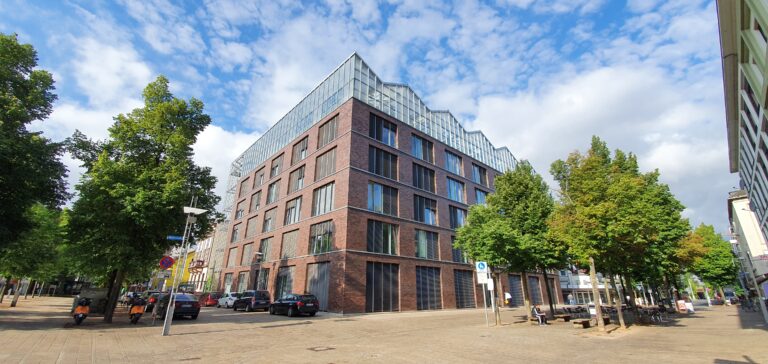
Rooftop greenhouses are a powerful option when land is limited, expensive, or unavailable. By placing a greenhouse on top of a building, organizations can turn unused roof area into productive growing space, community space, or research infrastructure.
Rooftop greenhouses are almost always urban greenhouses, but they may serve many different purposes. Some are community greenhouses. Others support commercial production, restaurants, grocery stores, universities, research institutions, or sustainable building projects.
Rooftop greenhouse applications can include:
- Community food production
- School or university growing spaces
- Research greenhouses
- Restaurant or hospitality greenhouses
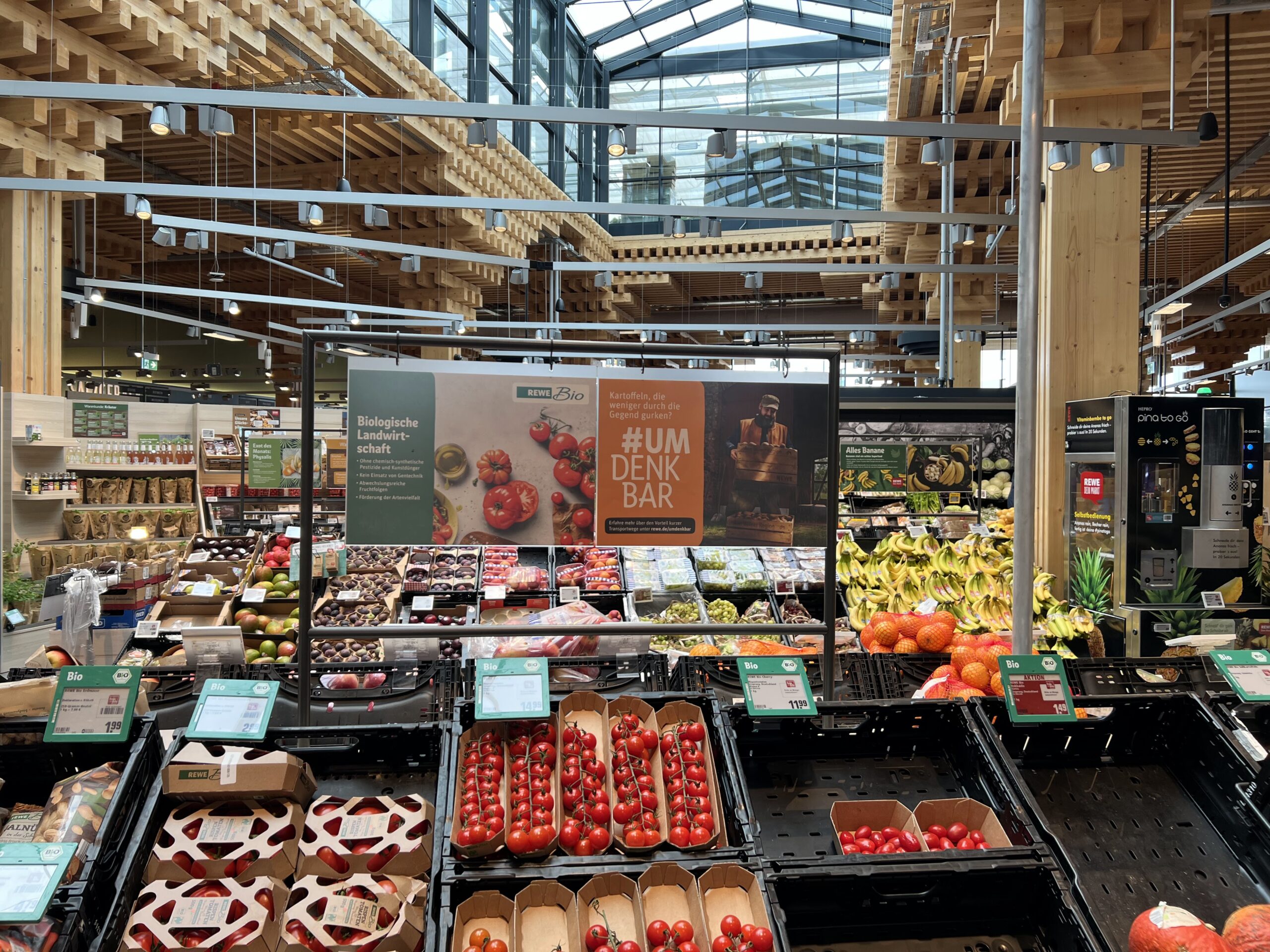
- Grocery store produce supply
- Commercial urban agriculture
- Event or gathering spaces
- Demonstration projects for sustainable design
- Mixed-use building amenities
Because rooftop greenhouses interact directly with the building below, they require careful planning around structure, utilities, access, climate control, water, wind exposure, and long-term maintenance.
Ceres works with project teams to design rooftop greenhouse systems that align with growing goals, site constraints, and building requirements.
Benefits of Rooftop and Urban Greenhouses
Urban and rooftop greenhouses can provide benefits beyond food production. Potential benefits include:
Designing Greenhouses Around Community Goals
A successful community, urban, or rooftop greenhouse starts with clear goals. Ceres helps project teams think through the practical and mission-driven questions that shape a greenhouse design.
For community projects, success may be measured in pounds of food produced, families served, students trained, seedlings distributed, classes hosted, or partnerships created. Ceres designs greenhouse systems with those broader outcomes in mind.
Greenhouse Technology for Community, Urban & Rooftop Projects
Ceres integrates greenhouse technologies based on each project’s climate, site, budget, and production goals.
SunSense™ Controller
SunSense™ provides centralized greenhouse control, allowing growers to monitor and manage key environmental conditions such as temperature, humidity, CO₂, lighting zones, canopy conditions, and outdoor weather.
HVAC and Dehumidification Systems
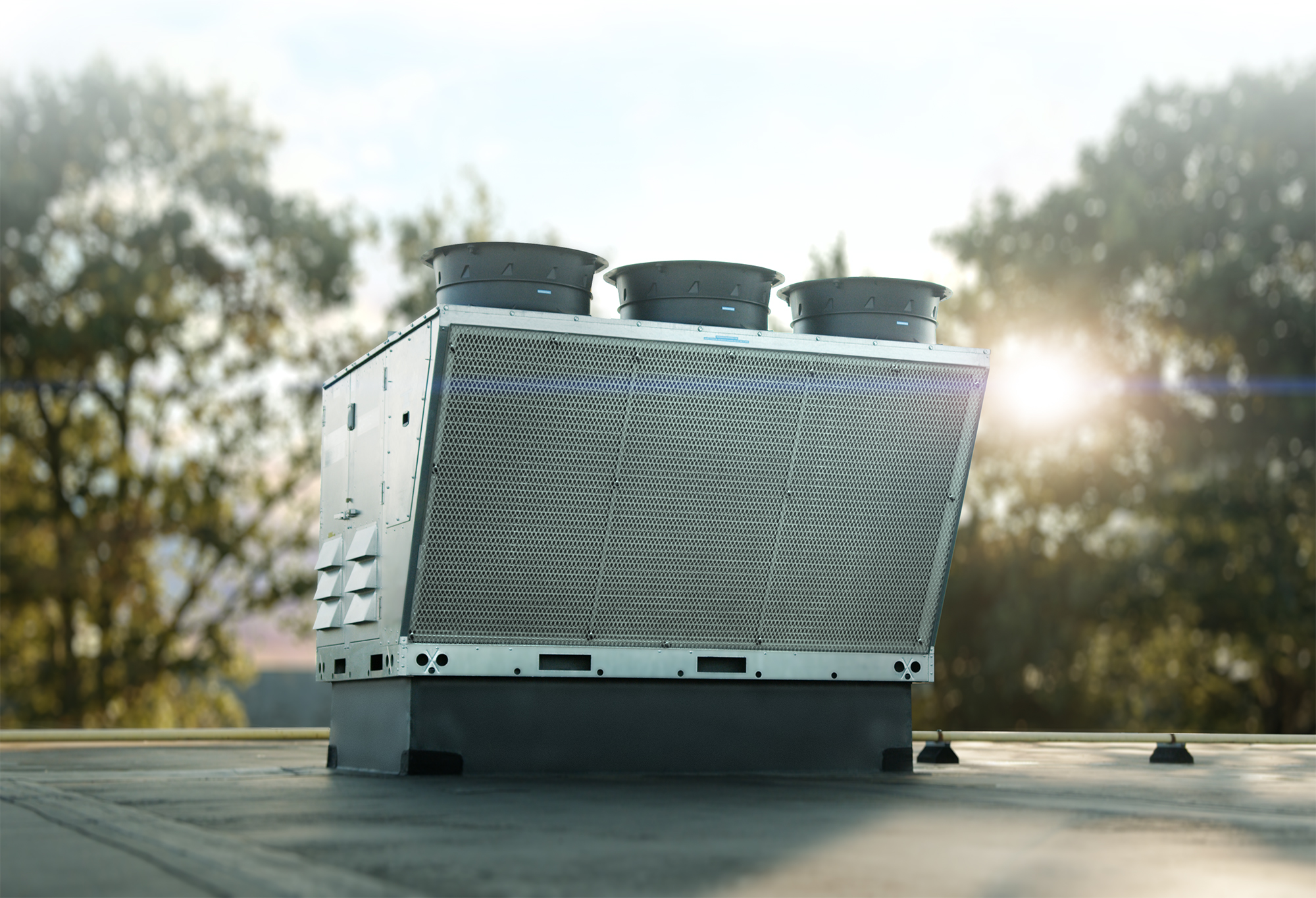
Community and urban greenhouses often need reliable environmental control to support consistent growing conditions year-round. Ceres offers integrated HVAC and dehumidification options designed around greenhouse type, budget, site constraints, and crop needs.
GAHT® System
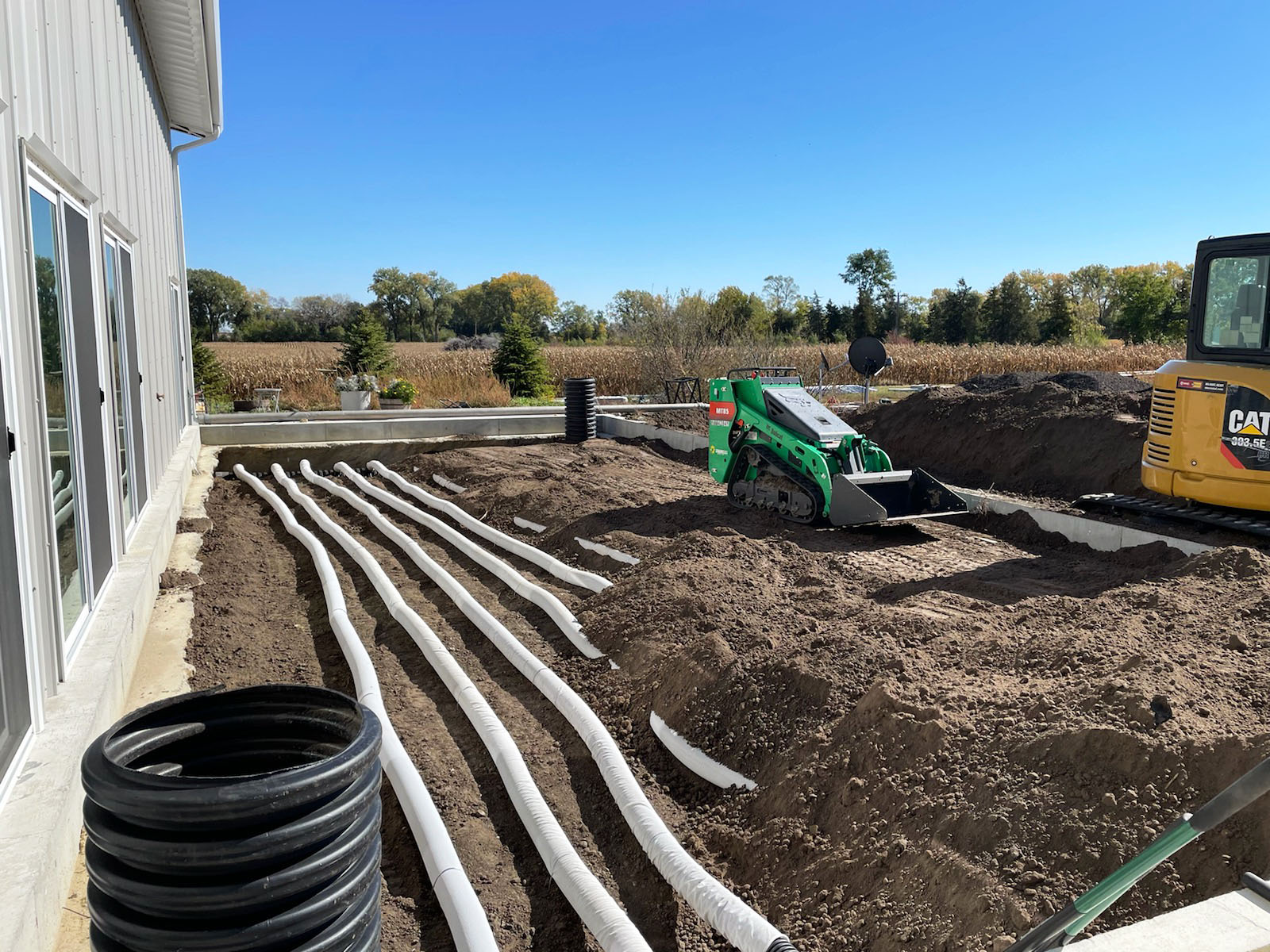
The GAHT® system, also known as a climate battery, is a ground-to-air heat transfer system that helps greenhouses capture, store, and reuse thermal energy. This can be especially valuable for energy-efficient greenhouse design in cold or variable climates.
Supplemental Lighting
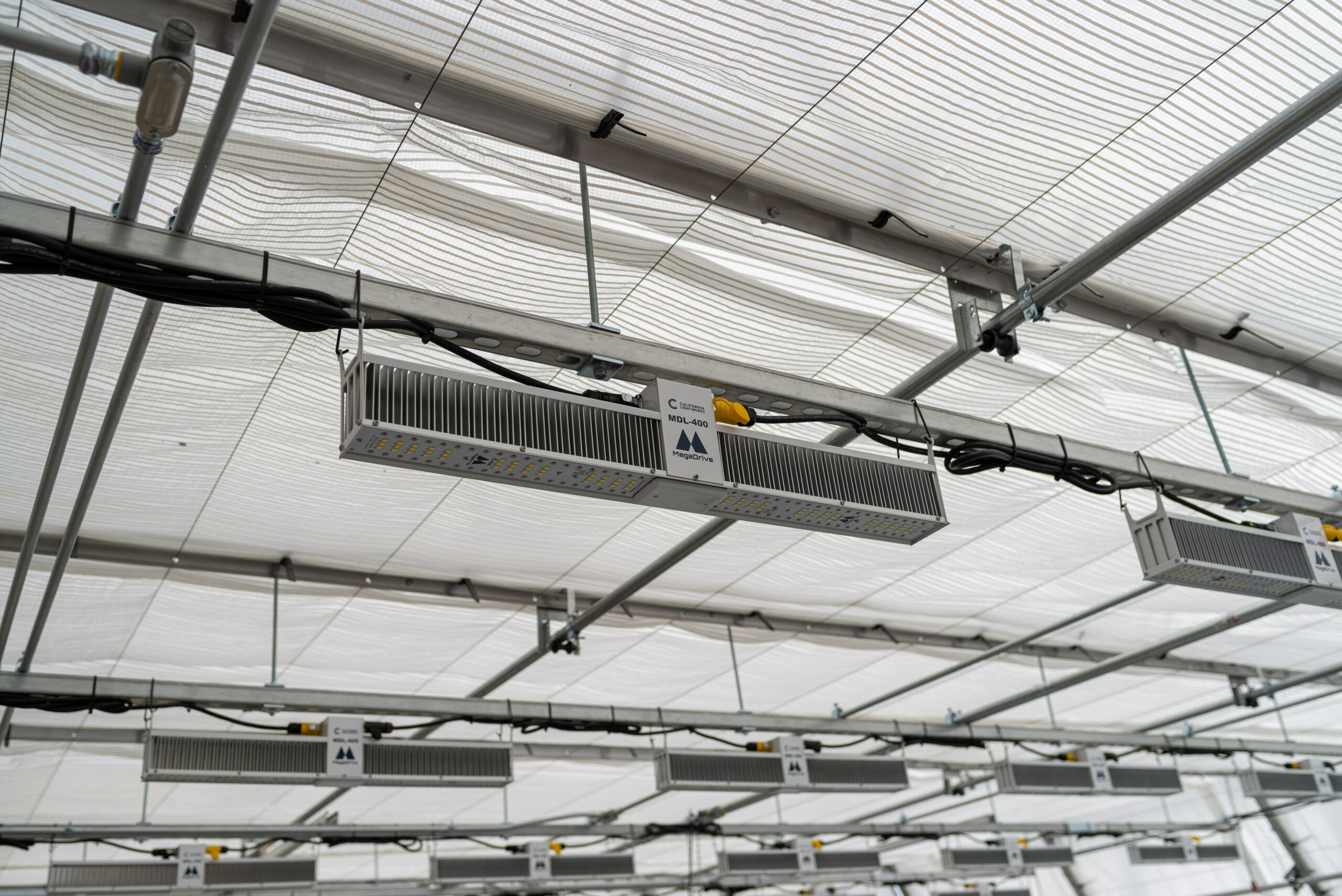
Urban and community greenhouse projects may require supplemental lighting depending on crop type, season, glazing, structure, and production goals. Ceres designs lighting systems around the needs of each operation.
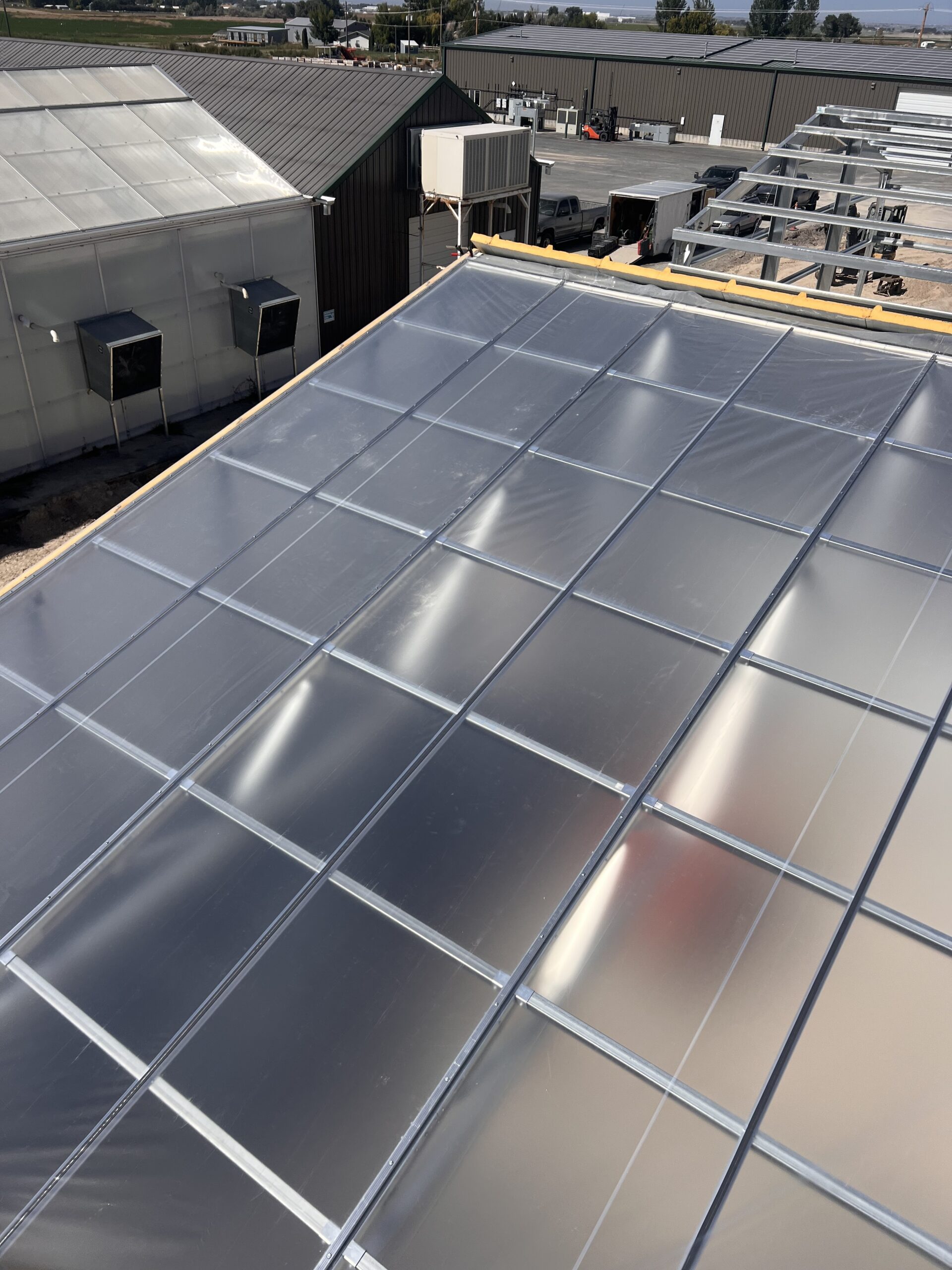
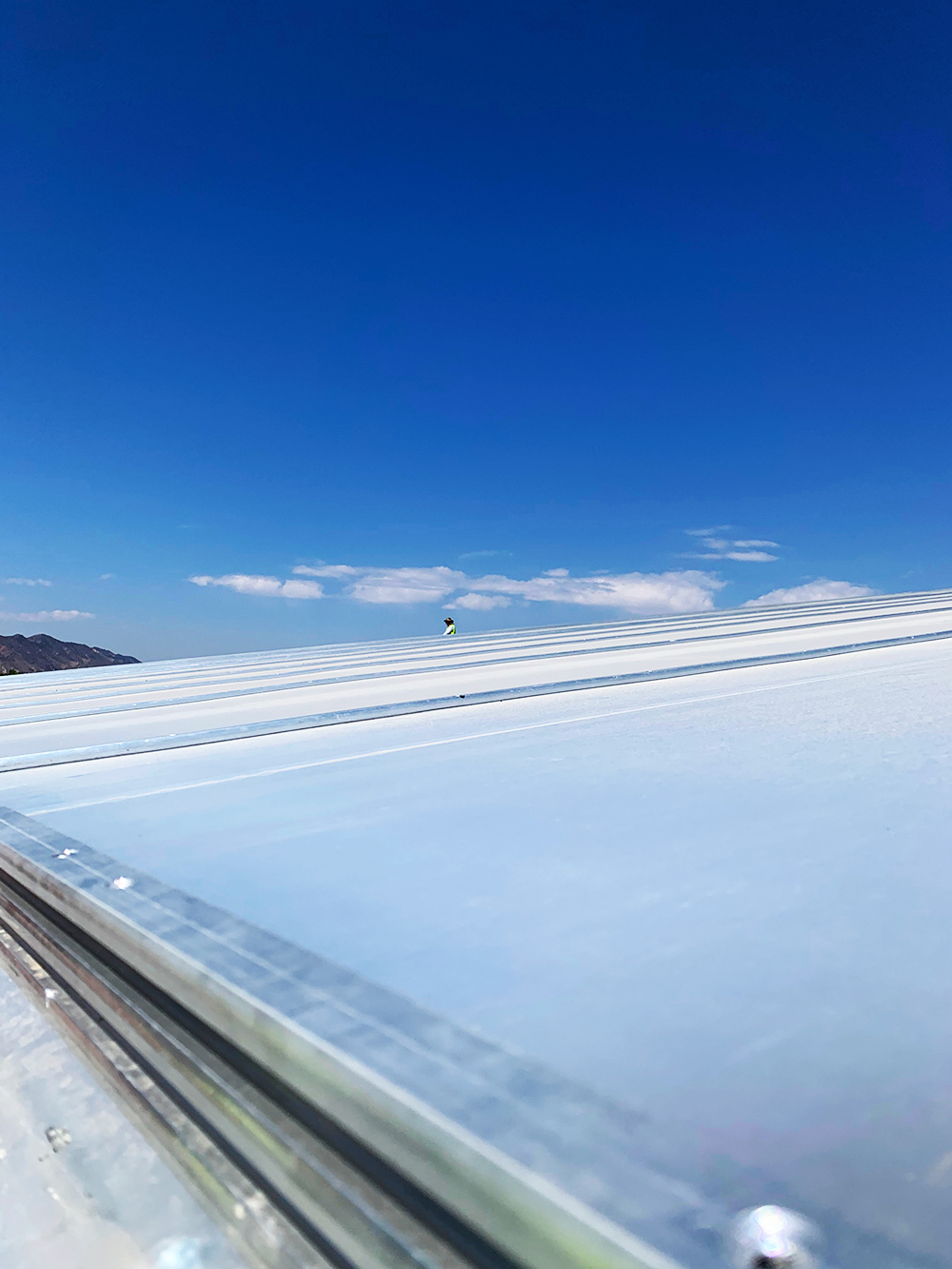
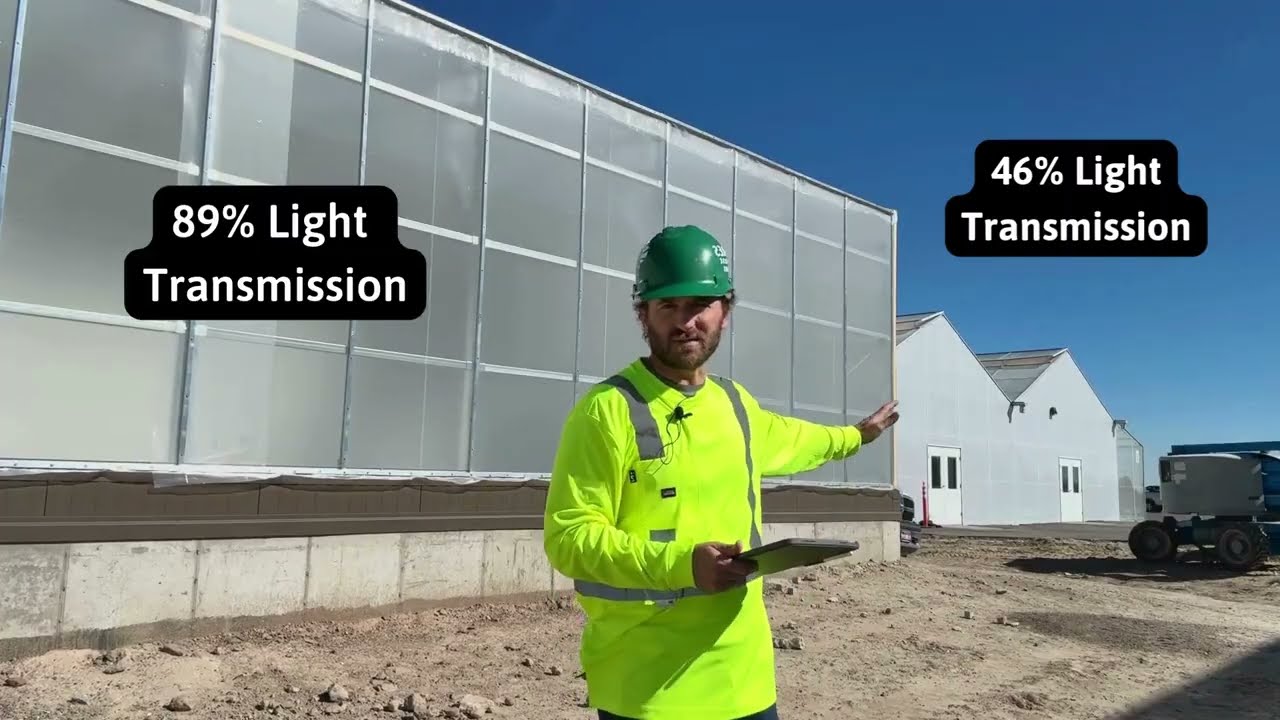
ETFE is a durable, high-light-transmission glazing option that can support strong crop growth while reducing structural load compared to some traditional materials. It may be especially useful for certain urban, rooftop, or high-performance greenhouse applications.
Who We Work With
Ceres supports a wide range of organizations planning community, urban, and rooftop greenhouse projects.
- Nonprofits and Community Organizations
- Schools and Universities
- Municipalities and public agencies
- Indigenous and First Nations Communities
- Urban Farms and Commercial Growers
- Architects, Developers, and Institutions
Access Greenhouses Related Brochures
Get detailed specs, design options and more inside
By clicking the button above, you agree to receive emails from Ceresgs.com. Unsubscribe at any time.
Calculate Your Energy Savings
Find out how much you can save with Ceres Greenhouses compared to other greenhouses.
Community Greenhouse Video Content
Check Out Our Past Projects
Rooftop Greenhouses & Urban Greenhouses FAQs
Yes. As long as the underlying structure is built with enough strength to support the rooftop greenhouse installing a greenhouse on an existing building is possible.
A community greenhouse is defined by its purpose: serving a community through food access, education, resilience, wellness, or shared growing. An urban greenhouse is defined by its location in or near a city. An urban greenhouse may be community-focused, commercial, educational, research-based, or institutional.
No. Rooftop greenhouses are typically urban greenhouses, but they are not always community greenhouses. A rooftop greenhouse may serve a community, but it may also be used for commercial production, restaurant supply, research, education, or building amenities.
Yes. Community greenhouses can serve rural, suburban, and urban communities. Many community greenhouse projects are especially valuable in rural areas, food deserts, Indigenous communities, schools, and regions with limited access to fresh produce.
Not always. Some community greenhouses sell produce or plants to support operations, but many are designed around non-commercial goals such as food access, education, therapy, workforce training, or community resilience.
Important factors include project goals, users, operating model, crops, climate, budget, utilities, staffing, site conditions, funding, distribution plans, and long-term maintenance. Ceres can help project teams evaluate these needs during the planning and design process.